legaltech
Harvey AI and LexisNexis Integration: What It Means for AI Contract Review and Legal Teams in 2026
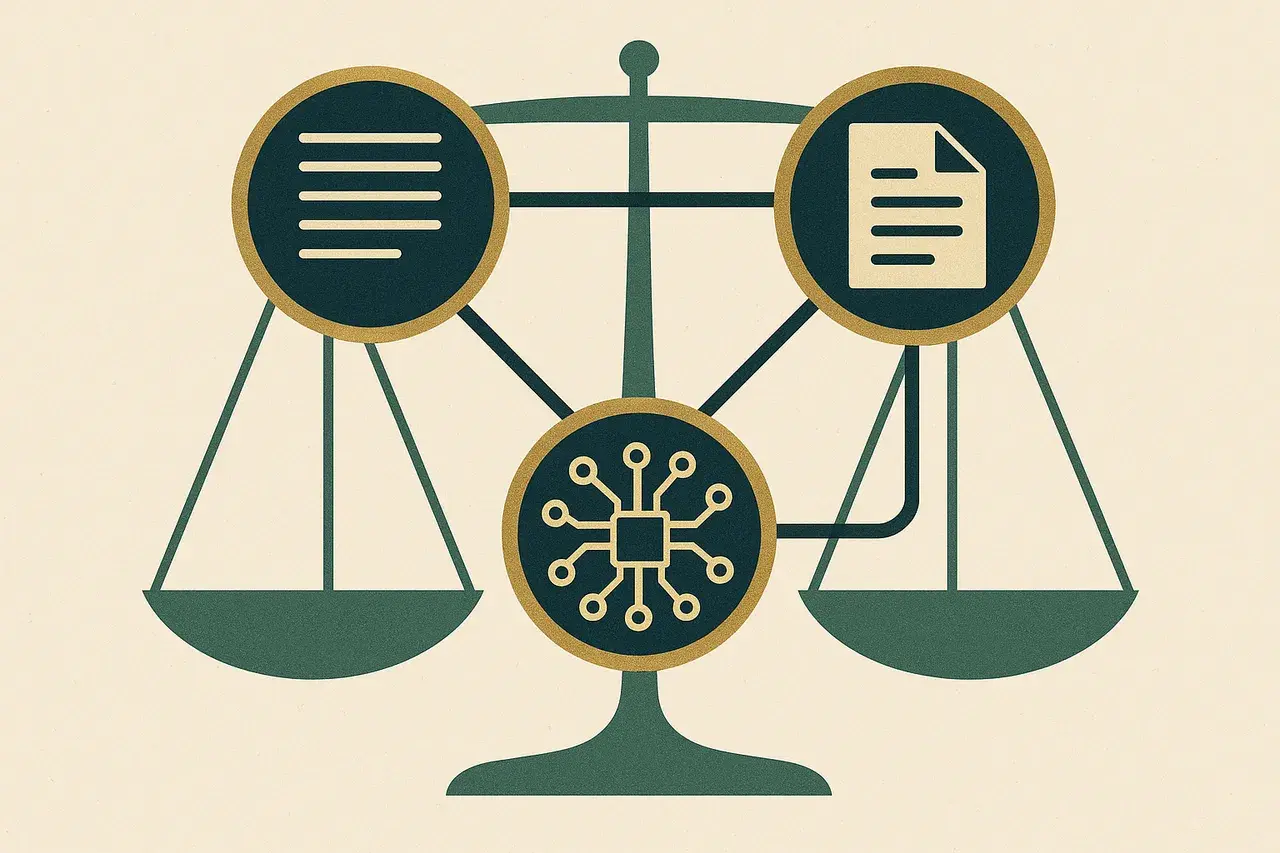
The Harvey and LexisNexis Announcement: What Has Actually Been Built
The legal technology sector received two significant signals this week. Harvey and LexisNexis have jointly built a new capability that connects Harvey's generative AI layer directly with LexisNexis's authoritative legal research content. Separately, Google and Cooley announced a collaboration that underscores how big technology companies are now partnering with elite law firms to shape the practical application of AI in legal practice. Taken together, these moves mark a clear acceleration in the race to make AI contract review and legal research tools genuinely production-ready for legal teams.
For anyone evaluating AI contract lifecycle management platforms, the Harvey and LexisNexis development deserves careful attention. The integration attempts to solve one of the most persistent criticisms of large language model tools in legal contexts: that they generate plausible-sounding analysis without grounding it in verified, jurisdiction-specific legal authority.
Why Grounding AI in Legal Authority Matters for Contract Work
Contract lawyers have always known that a clause does not exist in a vacuum. Its enforceability, its interpretation, and its risk profile depend on the governing law, the relevant case law, and sometimes very recent regulatory guidance. A generative AI tool that drafts or reviews a contract without access to current legal authority is, at best, a capable first-drafter. At worst, it is a confident generator of plausible error.
The Harvey and LexisNexis joint capability addresses this directly by connecting the drafting and analysis layer with a vetted body of legal research content. This is meaningful for AI contract review workflows because it means the system can, in principle, flag a limitation of liability clause as problematic not merely by pattern-matching against training data but by reference to traceable legal sources. That traceability is what in-house legal teams and their external counsel need before they can rely on AI output in a negotiation or in front of a board.
Where This Fits Inside Contract Lifecycle Management
Contract lifecycle management covers a wide spectrum: request intake, drafting, negotiation, execution, obligation tracking, and renewal. AI tools have made the deepest inroads at the drafting and review stages, where the volume of text and the repetitive nature of clause-level analysis make automation genuinely valuable.
The Harvey and LexisNexis integration sits most naturally at the review and negotiation stages. When a counterparty returns a redlined agreement, a legal team needs to assess which changes carry real legal risk and which are cosmetic. A tool that can cross-reference those changes against current case law in the applicable jurisdiction is offering something qualitatively different from a clause library or a playbook-matching engine. It is approaching the kind of contextual legal judgment that has historically required a qualified lawyer to provide.
For platforms like Adira, which are built to read contracts from the client's own perspective and work within the law of the relevant jurisdiction, this trend validates a core design principle: jurisdiction-aware, context-sensitive analysis is not a premium feature, it is a baseline requirement for genuine usefulness.
The Google and Cooley Signal: Big Tech Wants Law Firm Validation
The Google and Cooley collaboration, announced in the same news cycle, tells a slightly different story. It reflects big technology companies seeking credibility and practical feedback loops from firms that handle complex, high-stakes transactional work. Cooley's specialism in venture, tech, and life sciences means its lawyers encounter novel contractual structures regularly. That makes the firm a useful stress-test environment for AI tools operating at the frontier of legal complexity.
For legal technology buyers, this pattern of big-tech plus elite-firm partnerships is worth watching. It tends to produce tools calibrated to sophisticated transactional environments, which is positive for quality but can mean that the resulting products are expensive or over-specified for mid-market legal teams.
Honest Adoption Advice for Legal Teams Evaluating AI Contract Tools
The honest position on AI contract review tools in late 2026 is this: the category has matured significantly, but adoption still requires deliberate change management. A few practical observations for legal teams:
First, integrations matter more than headline capabilities. A tool that connects AI drafting with authoritative legal research is only useful if the workflow around it is designed to capture the output properly, route it to the right reviewer, and store it in a way that feeds future contract intelligence.
Second, jurisdiction specificity is non-negotiable for cross-border teams. The Harvey and LexisNexis integration is notable precisely because it attempts to ground AI output in real legal authority. Legal teams operating across multiple jurisdictions should ask any vendor the same pointed question: where does your legal grounding come from, and how current is it?
Third, the biggest adoption barrier is rarely the technology itself. It is the internal process redesign required to embed the tool into existing matter management, approval workflows, and institutional knowledge systems. Teams that treat AI contract tools as a drop-in replacement for a junior associate tend to be disappointed. Teams that redesign their contract intake and review process around the tool's genuine strengths tend to see measurable time savings within a quarter.
The week's news is a reminder that the AI legal tools landscape is consolidating around a smaller number of well-resourced platforms. For legal teams, that is broadly good news for product quality and bad news for negotiating leverage on pricing. Choose carefully and build your workflow around the tool's real capabilities, not its marketing claims.
Frequently asked questions
- What does the Harvey AI and LexisNexis integration actually do?
- The joint capability connects Harvey's generative AI layer with LexisNexis's legal research content, allowing the system to ground contract analysis and legal drafting in verified, citable legal authority rather than training data alone. This makes AI-generated legal analysis more traceable and defensible for legal teams. It is particularly relevant for contract review work where jurisdiction-specific case law affects clause enforceability.
- Is Harvey AI good for contract review?
- Harvey AI is a capable generative AI tool for legal drafting and analysis, and its integration with LexisNexis strengthens its usefulness for contract review by connecting outputs to authoritative legal sources. However, no AI tool replaces qualified legal review for high-stakes agreements. Legal teams should evaluate Harvey alongside other AI contract lifecycle management platforms based on jurisdiction coverage, workflow integration, and how the tool handles their specific contract types.
- What is AI contract lifecycle management?
- AI contract lifecycle management refers to the use of artificial intelligence across the full contract process, from drafting and negotiation through execution, obligation tracking, and renewal. AI tools can automate clause generation, flag risk, compare redlines against playbooks, and extract obligations from executed agreements. Platforms like Adira are built to handle this end-to-end process with jurisdiction-specific legal awareness.
- Why are Google and Cooley partnering on AI for law?
- Google is working with Cooley to test and refine AI legal tools in a sophisticated transactional law environment. Cooley's expertise in venture capital, technology, and life sciences transactions provides a demanding real-world context for evaluating AI capabilities. These big-tech and elite-firm partnerships are becoming common as AI developers seek legal credibility and practical feedback to improve their products.
- What should legal teams look for when choosing an AI contract review tool?
- Legal teams should prioritise jurisdiction-specific legal grounding, workflow integration with existing matter management systems, and transparency about how the tool sources its legal knowledge. A tool that produces confident output without traceable legal authority creates risk rather than reducing it. Change management and process redesign around the tool's genuine strengths matter as much as the technology itself.
See how Adira drafts in your voice and reads contracts from your side.
Explore the showroomWorking through a contract like this? Weave is Adira’s free tool to read, mark up, and connect any contract in your browser — no account needed.
Try Weave — freeRelated reading
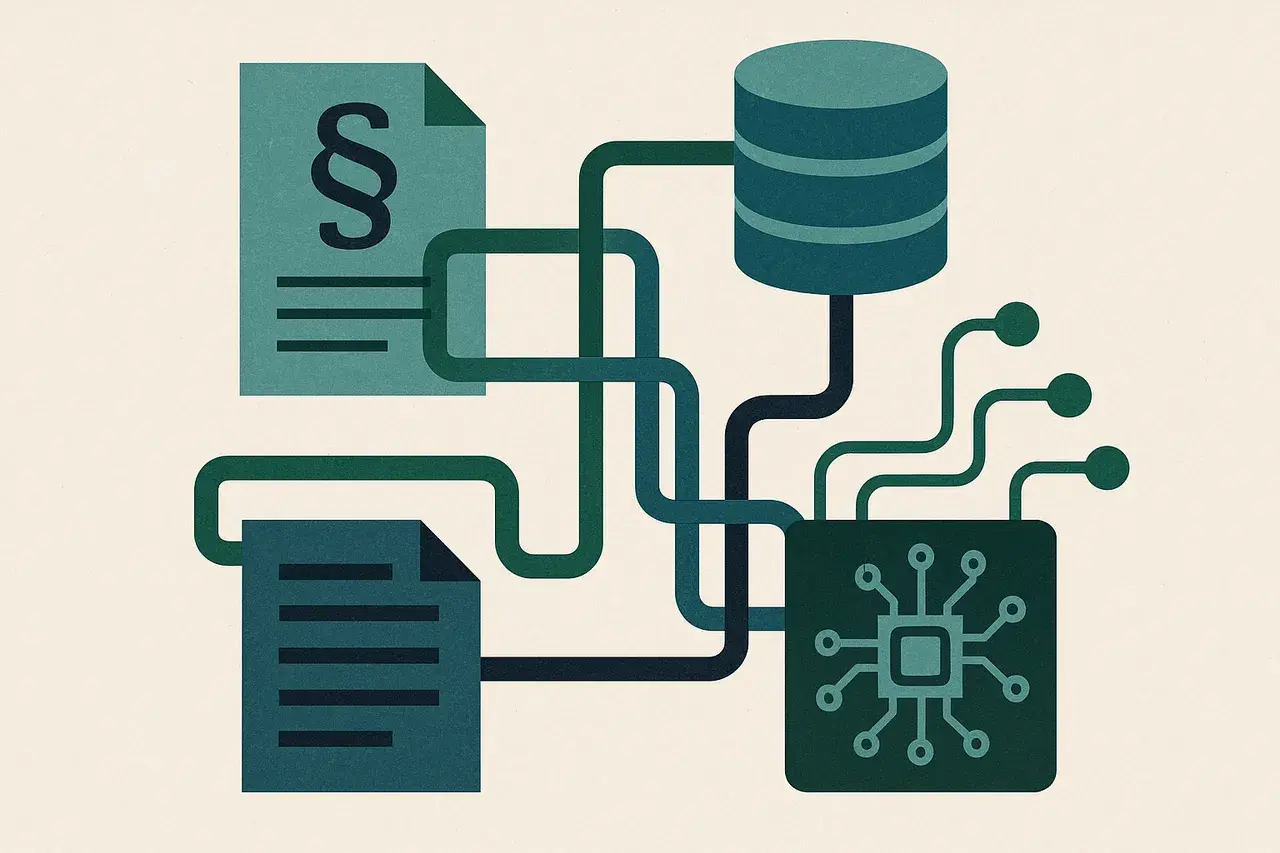
Harvey AI and LexisNexis Join Forces: What It Means for AI Contract Review and Legal Teams
9 October 2026

Microsoft Copilot for Legal: What It Means for AI Contract Management in 2025
16 October 2026
Legal AI Integration Ecosystems: What Legora's 30-Plus Partner Strategy Means for Contract Lifecycle Management
15 October 2026