legaltech
Legal AI Integration Ecosystems: What Legora's 30-Plus Partner Strategy Means for Contract Lifecycle Management
Why Legal AI Platforms Are Racing to Become the Central Hub
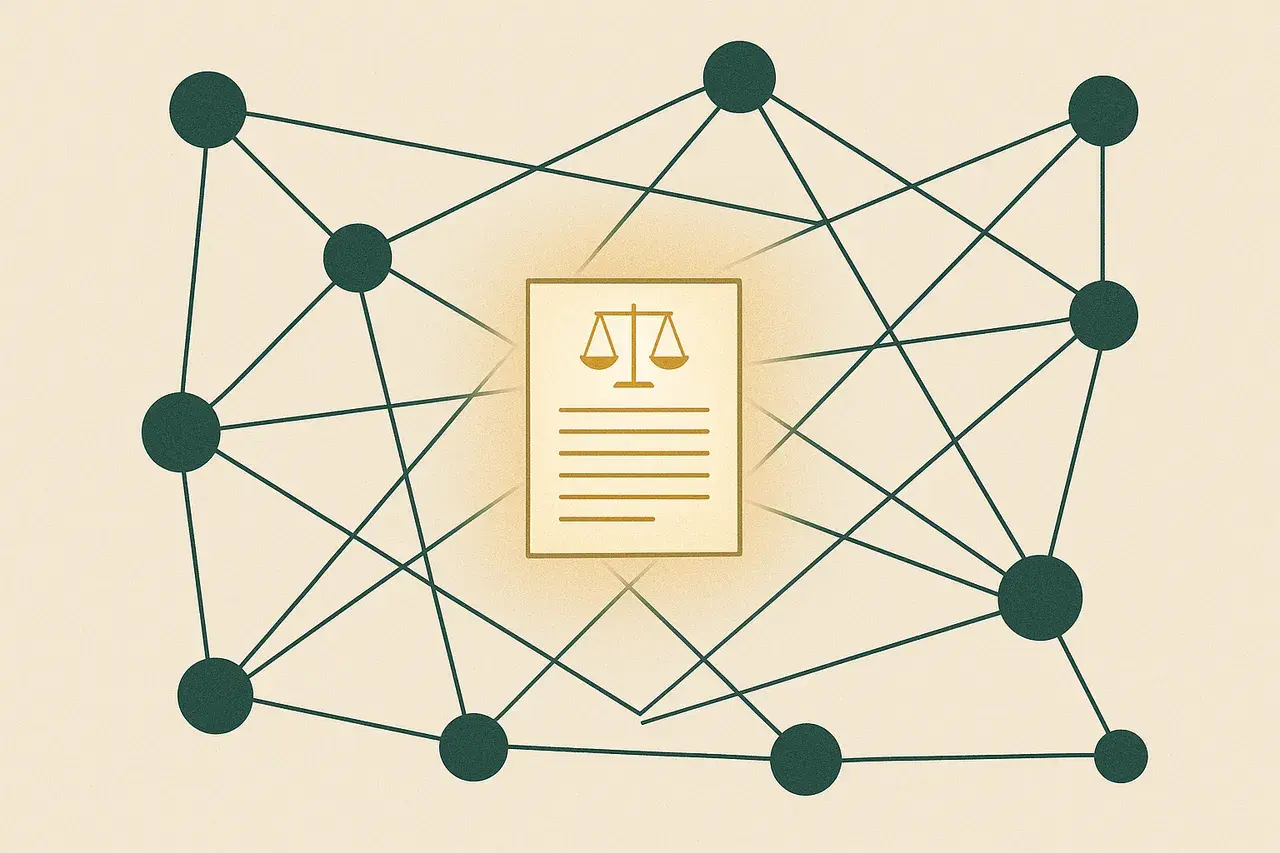
The current phase of legal AI adoption is less about individual features and more about positioning. Legora's announcement of a 30-plus integration ecosystem is a clear statement of strategic intent: become the connective tissue of a lawyer's daily workflow, rather than one more tool competing for attention on a cluttered taskbar. This approach, sometimes called a platform or hub strategy in enterprise software, has reshaped industries from CRM to project management. Legal technology is now experiencing the same gravitational pull.
For in-house legal teams and law firms already managing contracts, matter tracking, document storage and client communications across several disconnected systems, the promise of a central legal AI layer is genuinely attractive. The question worth asking, however, is whether breadth of integrations translates into depth of value, or whether it creates a new kind of dependency risk.
What an Integration Ecosystem Actually Does in a CLM Context
Contract lifecycle management sits at the intersection of almost every system a legal team touches: the document management platform, the e-signature tool, the ERP that holds supplier data, the CRM that logs client relationships, and increasingly the AI layer that drafts, reviews and summarises. When a legal AI tool builds integrations across all of these, it can theoretically surface the right contract clause at the right moment without a lawyer having to switch context.
In practice, this matters most at two points in the contract lifecycle. The first is during drafting and negotiation, where pulling live data from a CRM or a precedent library without leaving the AI interface saves meaningful time. The second is during post-signature obligation management, where an integrated AI can monitor renewal dates, flag deviations from standard terms and alert the right stakeholder without manual intervention. A legal AI integration ecosystem that genuinely connects these dots reduces the administrative overhead that consumes a disproportionate share of in-house counsel's time.
The Platform Centralisation Debate in Legal Technology
Not everyone in legal technology is convinced that hub-and-spoke integration models serve legal teams well. Critics point out that a platform positioning itself as central to legal workflows creates concentration risk: if the hub changes its pricing, restricts its API access or is acquired, every connected tool is affected simultaneously. Law firms in particular, which have long resisted vendor lock-in, are alert to this dynamic.
There is also a competence question. A legal AI tool that integrates with 30-plus partners may be excellent at orchestrating data flows while remaining only moderately capable at the core tasks of drafting, reviewing and interpreting contracts. Legal teams should evaluate integration ecosystems alongside substantive AI quality, not instead of it. The number of integrations is a structural signal, not a measure of legal reasoning capability.
Where Adira Sits in the Legal AI Integration Landscape
Adira takes a deliberately different approach to the centralisation question. Rather than seeking to be the hub through which all legal tools connect, Adira focuses on the tasks where AI adds the most direct contractual value: drafting in a company's own defined voice, reading contracts from the client's perspective and applying the law of the relevant jurisdiction accurately. These are the capabilities that reduce legal risk, not the number of systems an AI can ping.
That said, Adira operates within real legal workflows, which means integration with document management, e-signature and matter management systems is part of the picture for any serious CLM deployment. The distinction is between integration as a means to better contract work and integration as a positioning strategy in its own right. Legal teams benefit from the former; they should scrutinise the latter carefully.
Honest Adoption Advice for Legal Teams Evaluating Legal AI Ecosystems
For legal teams currently assessing legal AI tools with large integration portfolios, a few practical considerations are worth keeping in mind.
First, map your actual workflow before evaluating integrations. Identify the three or four systems your team touches most frequently in the contract process and ask whether the AI tool integrates meaningfully with those specific systems, not just nominally.
Second, test the quality of data flow, not just its existence. An integration that pulls a contract from a document management system but loses metadata, formatting or version history in transit creates more work than it saves.
Third, assess contractual terms around the integrations themselves. API access, data residency obligations and the right to continue using integrations if you change your subscription tier are all points that should appear clearly in the vendor agreement.
Finally, consider the difference between a legal AI platform that integrates with your existing CLM and one that seeks to replace it. The former is additive; the latter requires a migration project that carries its own cost and disruption.
The Broader Trend: Legal Technology Consolidation Is Accelerating
Legora's integration strategy is one data point in a broader consolidation trend. As Artificial Lawyer has noted, the goal is to secure "centrality within a lawyer's working life," and multiple vendors are pursuing the same objective simultaneously. This competitive dynamic is likely to benefit legal teams in the short term through improved interoperability and more aggressive pricing. Over a longer horizon, it will reduce the number of independent legal AI tools available, as smaller specialised products either integrate with dominant platforms or exit the market.
For legal operations professionals and general counsel thinking about technology strategy, now is a reasonable moment to audit which AI tools your team actually relies on, which integrations you use versus which you merely have available, and what your exit options look like if a platform's strategy shifts. Platform centralisation in legal AI is not inherently good or bad. Like any significant contract, the value lies in the specific terms.
Frequently asked questions
- What is a legal AI integration ecosystem?
- A legal AI integration ecosystem is a network of connections between a legal AI platform and other software tools that lawyers use, such as document management systems, e-signature platforms, CRM tools and contract lifecycle management software. The goal is to allow the AI to access and act on data across multiple systems without the user having to switch between them. Breadth of integrations varies significantly between vendors.
- How do legal AI tools integrate with contract lifecycle management software?
- Legal AI tools typically integrate with CLM platforms through APIs that allow them to pull contract documents for review, push drafted clauses back into the CLM workflow, and trigger alerts based on contract data such as renewal dates or obligation milestones. The quality of these integrations varies: some preserve full metadata and version history while others simply transfer document text. Legal teams should test specific integration points before committing to a platform.
- Should law firms worry about vendor lock-in with legal AI platforms?
- Yes, vendor lock-in is a legitimate concern when a legal AI platform positions itself as the central hub connecting multiple tools in a firm's workflow. If the vendor changes pricing, restricts API access or is acquired, all connected workflows are affected simultaneously. Legal teams should review the contractual terms governing integrations, data portability and exit rights before adopting a hub-and-spoke legal AI architecture.
- What should legal teams look for when evaluating legal AI integrations?
- Legal teams should focus on whether the AI integrates with the specific three or four systems they use most frequently in their contract process, and whether those integrations transfer data accurately including metadata and formatting. Integration count is less important than integration quality. It is also worth checking the vendor agreement for terms around API access, data residency and what happens to integrations if you change subscription tier.
- Is legal technology consolidating around a few dominant platforms?
- The legal technology market is showing clear consolidation signals, with several AI vendors actively building large integration ecosystems to secure a central position in legal workflows. This competition is likely to improve interoperability and pricing for legal teams in the short term, but will reduce the number of independent specialist tools available over time. Legal operations teams should audit their current tool dependencies and understand their exit options as consolidation continues.
See how Adira drafts in your voice and reads contracts from your side.
Explore the showroomWorking through a contract like this? Weave is Adira’s free tool to read, mark up, and connect any contract in your browser — no account needed.
Try Weave — freeRelated reading
AI Contract Review Tools in 2025: What Legal Teams Need to Know Before Adopting
17 October 2026

AI Legal Intake Tools for In-House Teams: What Harvey's New Product Means for Contract Lifecycle Management
14 October 2026

AI Legal Transaction Management: What the Legatics and Harvey Integration Means for Contract Workflows
13 October 2026