sanctions compliance
Trump's Russia Sanctions Exemption Order: Legal and Contractual Fallout for In-House Teams
What the Executive Order Actually Does
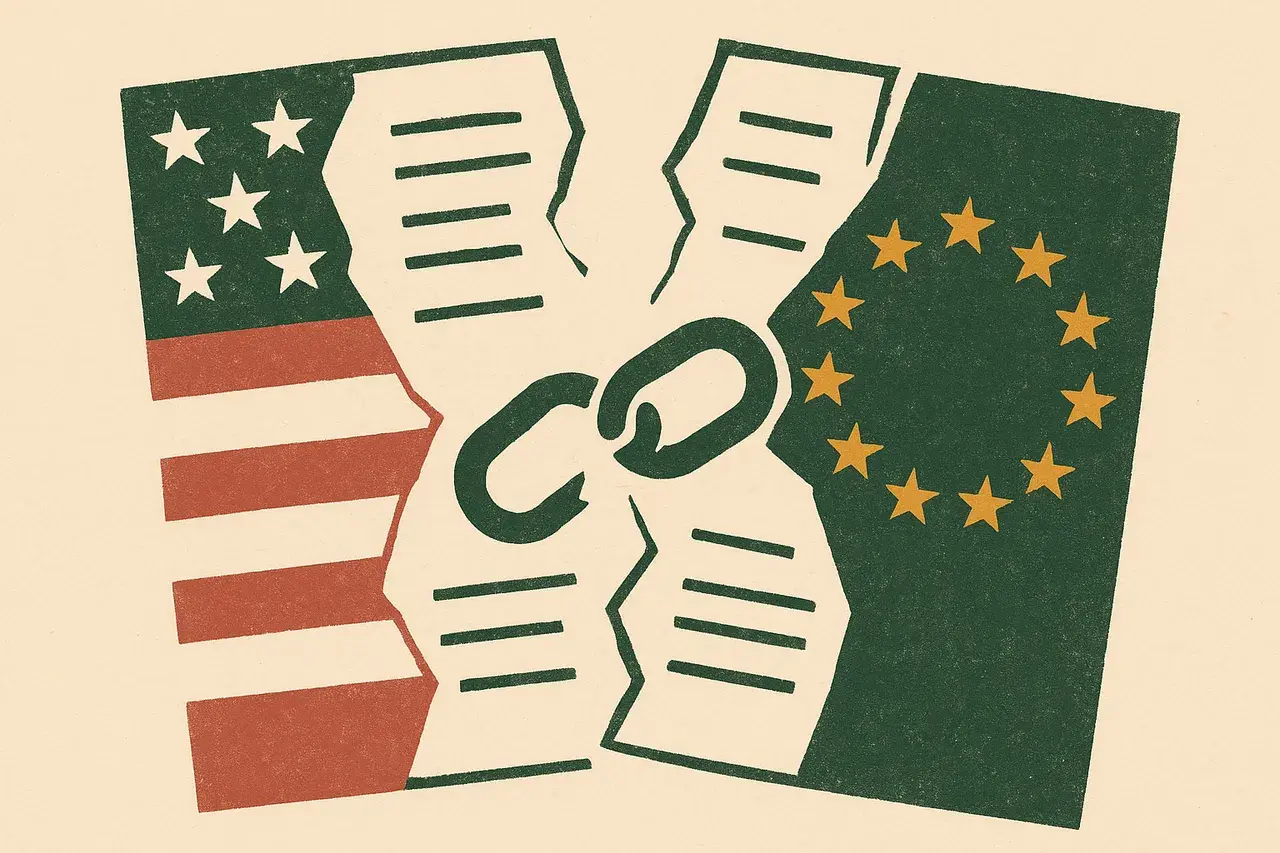
President Trump has signed an executive order directing that Russia be exempted from certain provisions of US sanctions law, a move that reverses years of bipartisan sanctions architecture built up following Russia's actions in Ukraine. The New York Times reported that the order effectively gives the executive branch discretion to waive sanctions obligations that Congress had previously sought to entrench in statute.
This is not a blanket lifting of all Russia-related sanctions. OFAC's underlying regulatory framework, including Specially Designated Nationals list designations and sectoral restrictions, remains in place unless separately revoked. The order creates a layer of executive discretion on top of existing law, which itself introduces legal uncertainty rather than resolving it. For in-house teams, the distinction between what the order permits, what OFAC regulations still prohibit, and what Congress may yet contest is the central compliance question of the coming months.
The Immediate Sanctions Compliance Picture
US companies and their foreign subsidiaries should not treat this order as a green light to resume Russian business without independent legal analysis. OFAC has not issued general licences flowing from the order, and many individual and entity designations on the SDN list remain fully operative. Engaging with a listed counterparty without a specific licence is still a strict-liability offence under the International Emergency Economic Powers Act, regardless of the president's general policy direction.
European subsidiaries of US groups face a further layer of complexity. EU sanctions on Russia, including asset freezes and sectoral restrictions under Council Regulation 833/2014, are entirely unaffected by Washington's executive action. A US parent company operating through a German or French subsidiary cannot rely on this order to authorise transactions that EU law independently prohibits. Multi-jurisdictional compliance programmes must therefore be updated to reflect the divergence between US and EU sanctions posture, which is now wider than at any point since 2022.
Contract Clauses That Need Immediate Review
The sanctions policy shift creates both opportunity and exposure at the contract level. Several categories of clause warrant urgent attention.
Sanctions representations and warranties. Many supply agreements, financing documents, and joint venture contracts contain representations that no party is subject to applicable sanctions or is owned or controlled by a sanctioned person. Where a counterparty's status may now be arguable, those representations need to be reviewed for accuracy and for the consequences of a breach.
Sanctions termination and suspension rights. Contracts entered during the period of maximum sanctions pressure often include rights to terminate or suspend performance if continuing would violate applicable sanctions. Some of those triggers may no longer be satisfied if the US regulatory position softens, potentially removing an exit right that one party was counting on.
Force majeure clauses. Where sanctions were pleaded as a force majeure event to excuse non-performance, that argument becomes significantly harder to sustain if US sanctions obligations are partially lifted. Counterparties relying on force majeure to avoid Russian-related supply commitments should take fresh legal advice immediately.
Governing law and enforcement jurisdiction. Contracts with Russian counterparties that include US or English law governing clauses will need to be assessed against the new policy landscape. English law in particular is unaffected by the US order, and UK sanctions on Russia remain in force in full.
Supply Chain and Trade Term Implications
The practical effect on global supply chains will take time to emerge, but the directional shift is already prompting reassessment of sourcing strategies. Companies that diversified away from Russian commodity inputs, particularly in energy, fertilisers, and metals, after 2022 are now facing questions about whether to consider re-engagement, and on what terms.
Anyone considering new commercial terms with Russian suppliers or intermediaries should build robust sanctions due-diligence obligations directly into the contract. Representations about beneficial ownership, screening against current SDN and EU lists at each transaction, and step-in rights if a counterparty becomes designated are the minimum contractual protections. Relying on the general policy direction of the executive order rather than specific OFAC guidance would be a serious compliance error.
What In-House Counsel Should Do Right Now
The priority actions for legal and compliance teams are concrete and time-sensitive.
First, conduct a rapid audit of all contracts with any Russian nexus, including indirect exposure through third-country intermediaries, and flag those containing sanctions representations, termination rights, or force majeure provisions.
Second, map the jurisdictions in which the company operates and confirm which sanctions regimes, including EU, UK, and UN measures, remain fully operative regardless of the US executive action.
Third, engage with the business on any commercial proposals to re-enter Russian markets or re-engage Russian suppliers, and ensure those proposals are stress-tested against the current OFAC list rather than against the headline policy signal.
Fourth, update contract templates. Standard sanctions clauses drafted in 2022 or 2023 assumed a stable and broadly aligned international sanctions architecture. That assumption no longer holds. Templates should now reflect multi-jurisdictional divergence and include more granular compliance obligations on counterparties.
Finally, monitor OFAC guidance closely. The executive order sets a policy direction, but OFAC general licences, specific licences, and updated FAQs will determine what is actually permissible transaction by transaction. Subscribing to OFAC updates and building a process to cascade those changes to affected contracts is no longer optional.
The Russia sanctions exemption order is a significant political development, but its legal consequences are neither simple nor uniform. The companies best positioned to respond are those that treat the policy shift as a prompt to sharpen their compliance infrastructure, not as permission to relax it.
Frequently asked questions
- Does Trump's executive order mean US companies can now do business with Russia freely?
- No. The executive order creates discretion to waive certain sanctions obligations but does not lift OFAC's SDN list designations or all sectoral restrictions. US companies still face strict-liability exposure for transacting with listed entities without a specific OFAC licence. Independent legal analysis is essential before any re-engagement.
- Does the US Russia sanctions exemption affect EU or UK sanctions?
- Not at all. EU sanctions under Council Regulation 833/2014 and UK sanctions under the Russia (Sanctions) (EU Exit) Regulations 2019 are entirely independent of US executive action. Companies operating under those regimes remain fully bound by European and British restrictions on Russia.
- What contract clauses are most at risk following a US sanctions policy change on Russia?
- Sanctions representations and warranties, sanctions-triggered termination rights, and force majeure clauses that relied on sanctions as an excusing event are the most immediately affected. In-house teams should audit all contracts with Russian nexus and take advice on whether existing clause language remains accurate and enforceable.
- Can a counterparty still invoke force majeure due to Russia sanctions after the executive order?
- A force majeure argument based on US sanctions obligations becomes significantly harder to sustain if those obligations have been partially waived by executive action. Parties relying on such arguments to excuse non-performance should seek fresh legal advice, as the factual and legal basis for the claim may have changed materially.
- What should in-house legal teams do immediately after the Russia sanctions exemption order?
- Teams should audit contracts with any Russian nexus, map all applicable sanctions regimes across each operating jurisdiction, update contract templates to reflect multi-jurisdictional divergence, and monitor OFAC for specific guidance and general licences. The executive order sets a policy direction but OFAC regulations govern what is actually permitted transaction by transaction.
See how Adira drafts in your voice and reads contracts from your side.
Explore the showroomWorking through a contract like this? Weave is Adira’s free tool to read, mark up, and connect any contract in your browser — no account needed.
Try Weave — freeRelated reading

Russian Diesel Sanctions Relief: What the Trump-Putin Deal Means for Energy Contracts and Compliance Teams
10 October 2026

Lawyer Mental Health Crisis: What the Illinois Supreme Court Study Means for Legal Contracts and Professional Risk
17 October 2026
How the 2026 US Midterm Elections Could Reshape Contracts, Compliance and Supply-Chain Terms
15 October 2026