brand legal disputes
Trademark Overreach and the Nominative Fair Use Defence: Lessons from the Mormon Stories Lawsuit
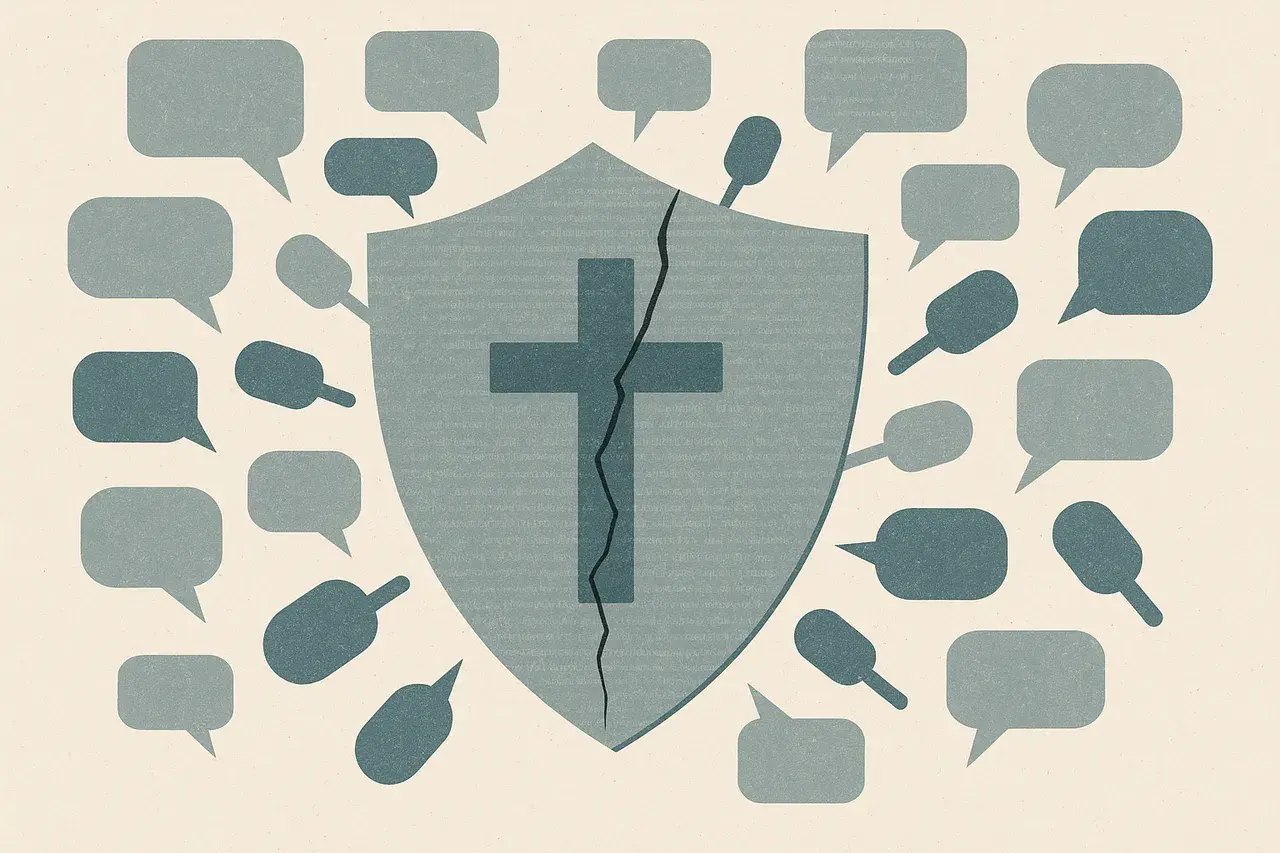
What the Mormon Stories Dispute Is Actually About
The Church of Jesus Christ of Latter-day Saints has sued the Mormon Stories podcast, arguing that the show's use of the word "Mormon" in its title infringes the Church's registered marks. The Electronic Frontier Foundation has filed a brief urging the court to dismiss the claim, arguing that the podcast is plainly engaged in nominative fair use: it uses the term to identify the very community and tradition it discusses, not to pass itself off as an official Church product.
This dispute sits at the intersection of trademark law, the First Amendment, and a question that surfaces constantly in brand-legal practice: when does vigorous brand enforcement cross the line into overreach, and what are the legal and commercial consequences when it does?
The Clause That Creates the Exposure: Overbroad Licence Prohibitions
Organisations with strong, culturally embedded brand names frequently make a specific drafting error. They insert licence and enforcement language that prohibits any third-party use of a mark "in any form, in any medium, for any purpose" without prior written consent. That language feels protective, but it sets up the organisation for losing fights it should never have picked.
When enforcement language is overbroad on its face, a court evaluating a fair use defence will notice. Judges and juries are not blind to the gap between "any use without consent" and the commercial reality that millions of people use the word "Mormon" simply because it is the most recognised descriptor for members of that faith tradition. A tighter contract would have defined the scope of protection precisely: use of the mark in commerce to sell competing goods or services, or use that creates a likelihood of consumer confusion about the source or sponsorship of a product.
The distinction matters enormously. Trademark law protects against confusion in the marketplace. It does not grant the mark owner a monopoly over every sentence in which a culturally significant word appears.
What Nominative Fair Use Actually Requires
Nominative fair use is one of the most misunderstood concepts in brand-legal disputes. It applies where a defendant uses the plaintiff's mark not to promote its own competing brand, but to refer to the plaintiff's own products, services, or community. Courts typically ask three questions: whether the product or service in question is one that cannot be readily identified without using the mark; whether only so much of the mark is used as is reasonably necessary for that identification; and whether the defendant has done nothing to suggest sponsorship or endorsement by the mark owner.
The Mormon Stories podcast appears to satisfy all three limbs. There is no widely understood synonym for the community it covers, it uses the term descriptively rather than as a logo or brand badge, and nothing in the podcast's presentation suggests Church approval. For in-house legal teams and their outside counsel, this is a reminder that before issuing a cease-and-desist or filing suit, you need to run the nominative fair use analysis honestly, not just as an afterthought.
How a Tighter Enforcement Policy Would Have Read
A well-drafted brand enforcement policy, whether embedded in a licence agreement or in an internal IP governance document, would contain at least three elements that are apparently absent here.
First, a materiality threshold: enforcement action should be reserved for uses that create a real, documented risk of consumer confusion or that dilute the mark's distinctiveness in a commercially significant way. Second, a preliminary assessment step: legal must confirm that the nominative fair use defence is unavailable before any external action is taken. Third, a proportionality clause: the chosen enforcement mechanism should be proportionate to the harm, with informal engagement before litigation.
None of those guardrails eliminates the organisation's right to protect its brand. They simply prevent the organisation from becoming the headline in an EFF press release.
The Reputational and Legal Cost of Trademark Bullying
Trademark bullying, a term now used openly by courts and commentators, describes exactly this pattern: a large, well-resourced organisation using IP litigation not to vindicate a legitimate confusion-based claim but to suppress criticism, commentary, or competition. The legal cost of getting this wrong is real. Courts have discretion to award attorney's fees in exceptional trademark cases, and a finding of bad-faith enforcement can trigger that outcome.
The reputational cost is arguably larger. The EFF's intervention guarantees press coverage. Every article written about the case reinforces the narrative that the Church is attempting to own a word rather than protect a brand. That is a brand-legal outcome no enforcement action should produce.
For general counsel advising any organisation with a culturally significant name, the lesson is to build a pre-litigation checklist into standard IP enforcement protocol. The checklist should require a written analysis of fair use risk, a proportionality assessment, and sign-off at a senior level before any demand letter leaves the building.
Drafting Lessons for Brand Owners and Licensees
If you are on the brand-owner side, your licence agreements and enforcement guidelines should define the universe of prohibited uses narrowly and precisely, tying each restriction to the legal harm trademark law is designed to prevent. Phrases like "any use whatsoever" are not stronger protection; they are litigation risk dressed up as confidence.
If you are on the licensee or third-party side, and you are using a well-known name descriptively, your agreement or usage policy should document the nominative fair use basis for that use at the outset. Keep records showing that you use only as much of the mark as necessary, that you have not decorated it with the mark owner's trade dress, and that nothing in your presentation implies official endorsement. That paper trail becomes your defence.
Adira's contract analysis tools flag exactly this kind of asymmetric risk: language that appears protective on one side but creates unenforceable or counterproductive obligations when tested. The Mormon Stories case is a live example of why that analysis belongs at the drafting stage, not the litigation stage.
Frequently asked questions
- What is nominative fair use in trademark law?
- Nominative fair use allows someone to use another party's trademark to refer to that party's own products, services, or community, rather than to promote a competing brand. Courts typically require that there is no easy alternative to using the mark, that only as much of it is used as necessary, and that nothing implies official sponsorship. It is one of the most common defences in trademark infringement cases involving commentary, journalism, or descriptive content.
- Can a religious organisation trademark a common religious term?
- A religious organisation can register marks that are distinctive and associated with its specific goods or services, but trademark law does not grant a monopoly over every use of a culturally embedded word. Where a term has become the most widely understood descriptor for a faith community, courts are likely to find that descriptive or nominative uses by third parties are protected. The Church of Jesus Christ's suit against Mormon Stories raises precisely this question.
- What is trademark bullying and what are its legal consequences?
- Trademark bullying refers to a mark owner using IP litigation to suppress legitimate uses rather than to protect against genuine consumer confusion. Courts can award attorney's fees against a party that pursues an exceptional case in bad faith, and a finding of overreach can significantly damage an organisation's public standing. Building a proportionality and fair-use review into your enforcement process is the most direct way to avoid this outcome.
- How should a podcast or media outlet protect itself against trademark claims?
- A podcast that uses a well-known name to describe the community or subject it covers should document its nominative fair use basis from the start: confirm there is no widely recognised alternative term, use the mark in plain text rather than styled branding, and avoid any suggestion of official endorsement. Keeping records of these decisions provides a strong foundation if a cease-and-desist letter arrives. Consulting an IP lawyer before launch is advisable for any project covering a trademarked brand or community.
- What should a licence agreement say about third-party use of a trademark?
- A well-drafted licence agreement should define prohibited third-party uses by reference to the specific harms trademark law targets: likelihood of consumer confusion, passing off, or commercial dilution. Blanket prohibitions on any use without consent create unenforceable and reputationally damaging positions when tested against fair use defences. The agreement should also include a pre-litigation assessment requirement to ensure enforcement actions are proportionate and legally sound.
See how Adira drafts in your voice and reads contracts from your side.
Explore the showroomWorking through a contract like this? Weave is Adira’s free tool to read, mark up, and connect any contract in your browser — no account needed.
Try Weave — free