legal technology
When the Infrastructure Fails: Lessons from the Bar Exam Collapse for Legal Technology Buyers
A Cautionary Tale From the Examination Hall
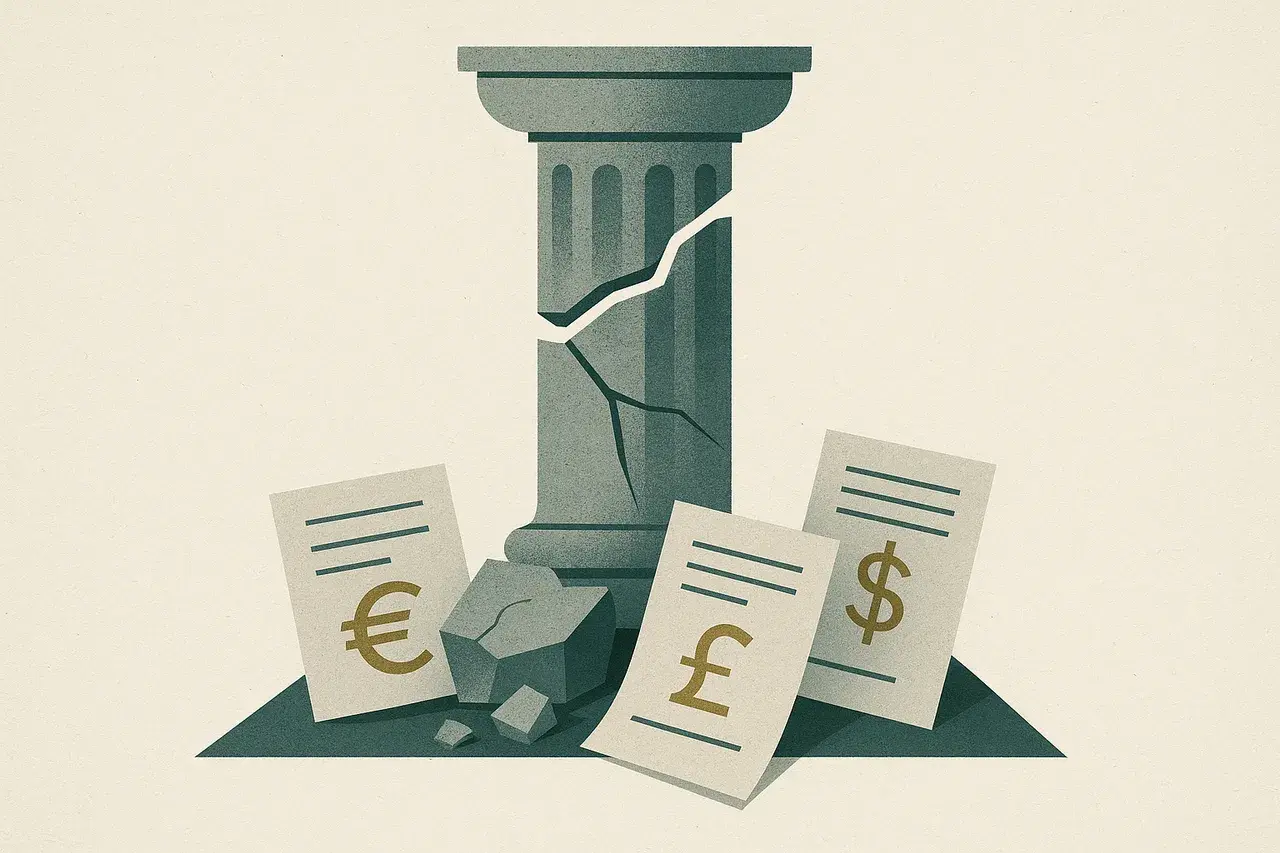
Washington State did not patch its bar exam. It did not issue corrections or ask candidates to wait while technicians investigated. It cancelled the entire sitting. That decision, drastic as it sounds, was arguably the most honest response available: when a high-stakes process rests on technology that has visibly failed, continuing regardless is not resilience. It is denial.
The National Conference of Bar Examiners had described its new platform as a historic milestone. The gap between that framing and the reality candidates experienced in Washington and Maryland is instructive. Institutions that build significant public confidence around a technology product before that product has been tested at scale are not being bold. They are transferring risk onto the people who have no choice but to participate.
For in-house legal teams and law firms evaluating AI and contract technology, the pattern here is familiar. A vendor announces a transformation. Early adopters are praised. Then a live deployment exposes something the controlled demonstrations never did.
The Quiet Costs of Platform Dependency
When a bar exam fails, the harm is visible and immediate. Candidates lose sitting fees, travel costs and months of preparation time. The reputational damage to the examining body is public and measurable.
When a contract management platform fails during a critical commercial negotiation or an M&A process, the costs are harder to see but no less real. A missed deadline in an NDA. A clause that defaults to a jurisdiction template rather than the governing law the parties actually agreed. A renewal date that the system flagged incorrectly because the extraction model misread an exhibit. These are not hypothetical failure modes. They are the ordinary consequences of deploying legal technology without adequate validation.
The Washington bar exam story is useful precisely because it makes visible what legal technology failures usually obscure. Most platform problems do not result in a cancelled exam. They result in a quietly signed contract that contains terms nobody intended, or a liability cap that was negotiated down but not updated in the execution version.
What Rigorous Technology Selection Actually Looks Like
The NCBE's difficulties illustrate what happens when the evaluation process prioritises ambition over verification. Buyers of legal AI should ask a different set of questions before committing.
First, what does the system do when it is uncertain? A well-designed AI contract tool should surface its own confidence levels. When it extracts a governing law clause or identifies an indemnity cap, it should indicate whether that extraction is reliable or whether a human reviewer should verify it. Systems that present every output with equal confidence are not sophisticated. They are dangerous.
Second, how does the vendor define failure? Before signing any enterprise agreement, a legal team should require the vendor to specify, in writing, what constitutes a system failure and what the remediation process is. Vague commitments to uptime percentages are not the same as clear obligations around data integrity and output accuracy.
Third, has the platform been tested on contracts that look like yours? A system trained predominantly on US technology sector agreements will perform differently when asked to read a construction contract governed by Scottish law or a distribution agreement with continental European standard terms. Jurisdictional and sectoral specificity matters enormously in legal AI, and generic benchmarks rarely capture it.
The Diploma Privilege Question, Translated
One response to Washington's crisis has been renewed interest in diploma privilege: the idea that graduating from an accredited law school should itself be sufficient qualification, without a separately administered licensing exam. The argument gains force when the exam infrastructure proves unreliable.
The translation for legal teams is worth considering. If the tooling that sits between a lawyer and their work is persistently unreliable, the question becomes whether the tooling is adding value or simply adding friction and risk. The answer depends on what the tool is actually doing.
AI that drafts contracts in a company's own voice, reads agreements from the client's perspective and applies the law of the relevant jurisdiction is doing something qualitatively different from a generic template library. It is reducing the gap between legal knowledge and legal output. When that gap closes reliably, the technology earns its place in the workflow. When it does not, it belongs in the same category as the bar exam platform that prompted Washington to reach for the cancel button.
Building Accountability Into the Process
The practical takeaway is not that legal teams should avoid technology. It is that they should insist on accountability structures before deployment rather than after.
This means piloting on real matter types before full rollout. It means establishing clear ownership of AI outputs, so that no contract leaves a review process without a named human who has verified the material terms. It means requiring vendors to participate in post-deployment reviews rather than treating the signed contract as the end of their obligation.
Washington's bar candidates deserved a testing infrastructure that had been validated before they sat down to use it. Legal teams and their clients deserve the same from the AI platforms they adopt. The difference between a cancelled exam and a quietly flawed contract is visibility, not consequence.
See how Adira drafts in your voice and reads contracts from your side.
Explore the showroomRelated reading