brand legal disputes
Trademark Infringement Lawsuits: What the Buc-ee's Dispute Teaches About Brand Protection Clauses
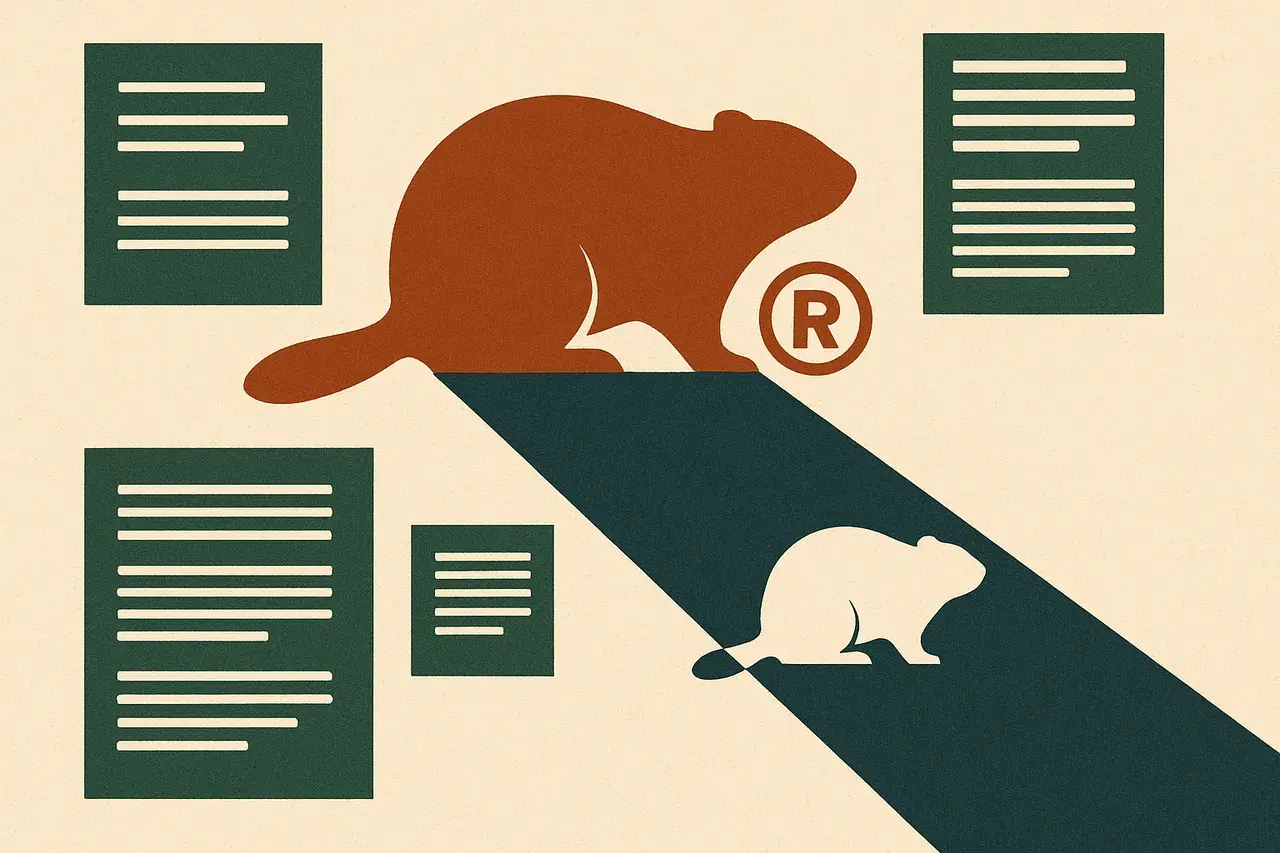
Why the Buc-ee's Trademark Lawsuit Matters Beyond One Local Shop
Buc-ee's, the Texas-based travel centre chain famous for its beaver mascot and vast retail footprint, has filed a trademark infringement lawsuit against a smaller local retailer it alleges copies its brand identity closely enough to confuse consumers. The case is a textbook example of how a large brand enforces its registered marks, but it is also a masterclass in the contractual and operational gaps that leave smaller businesses exposed. Whether you are a franchisor, a licensee, a startup naming a new product, or a legal team reviewing a co-branding agreement, the core lessons here apply directly to the clauses sitting in your own contracts right now.
The Clause That Failed: No Pre-Clearance or IP Warranty Obligation
The most common failure in cases like this is not a malicious decision to copy a brand. It is the absence of any contractual obligation to conduct a trademark clearance search before adopting a name, logo, or trade dress. Founder agreements, operating agreements, and vendor contracts routinely omit any clause requiring a party to warrant that its chosen branding does not infringe third-party intellectual property rights.
A well-drafted IP warranty clause does two things. First, it requires the warranting party to confirm, at the point of signing and on an ongoing basis, that its marks are either registered or cleared for use. Second, it ties indemnification directly to any breach of that warranty, so the innocent party is not left absorbing litigation costs. Without those provisions, the party that chose the infringing name carries the full legal and financial exposure, but the commercial counterparties, investors, landlords or distribution partners, may suffer collateral disruption with no contractual recourse.
In the Buc-ee's situation, a local shop operating under a confusingly similar name and visual identity almost certainly never ran a federal trademark search, and no contract in its chain of commercial relationships required it to do so.
The Likelihood of Confusion Standard and What It Means for Drafting
United States trademark law, like the laws of most major jurisdictions, turns on whether an ordinary consumer is likely to be confused about the source of goods or services. Courts weigh factors including the similarity of the marks, the proximity of the goods, the strength of the senior mark, and evidence of actual confusion.
For contract drafters, this standard has a direct implication: a trademark coexistence agreement, a licence, or a co-branding arrangement cannot simply prohibit identical copying. It must define the protected zone broadly enough to cover confusingly similar variations, including colour palettes, mascot styles, store layouts that constitute protectable trade dress, and phonetic equivalents of the brand name. Clauses that only prohibit verbatim use of a registered word mark are dangerously narrow. A tighter contract specifies that the restricted party will not adopt any mark, name, design, or trade dress that a reasonable consumer could confuse with the licensor's brand, and it requires that party to seek written approval before any new brand element is launched.
What a Tighter Contract Would Have Said
If the local shop in this dispute had entered any formal commercial arrangement, whether a lease in a retail park, a supplier agreement, or an investor term sheet, a properly advised counterparty would have insisted on language along the following lines:
First, a representation that the business name, logo, and trade dress have been cleared through a comprehensive trademark search in all relevant classes and geographies. Second, an ongoing covenant not to adopt any branding that is confusingly similar to any third-party registered or unregistered mark. Third, a notification obligation requiring the party to disclose any cease-and-desist letter or infringement claim within a defined period, typically five to ten business days. Fourth, an indemnification clause covering legal costs, damages, and business interruption suffered by the counterparty as a result of a breach of the IP representations.
None of this is exotic drafting. It is standard in well-advised franchise agreements, retail licence deals, and brand acquisition contracts. The problem is that early-stage and smaller businesses often sign contracts, leases and supplier terms that simply do not include it.
How AI Contract Review Catches These Gaps Before They Become Lawsuits
The practical challenge is that IP warranty gaps are invisible until a cease-and-desist letter arrives. A human reviewer skimming a 40-page commercial lease is unlikely to flag the absence of a clause that was never proposed. This is precisely the problem that AI-powered contract lifecycle management tools are built to address. A platform that reads contracts from the perspective of the business using it, and knows the relevant law of the jurisdiction, can flag not only problematic clauses that are present but also standard protective clauses that are missing.
For trademark risk specifically, that means surfacing the absence of IP representations, indemnification carve-outs, and brand-change notification obligations at the moment of review, before signature, when the cost of adding them is a conversation rather than a lawsuit.
Practical Steps to Reduce Trademark Infringement Exposure
The Buc-ee's case is a prompt to audit your own position on three fronts. On the brand side, run a trademark clearance search in every class and jurisdiction where you operate or plan to operate, and register marks early. On the contract side, ensure that every commercial agreement in which your brand identity is relevant contains clear IP warranties, a confusing-similarity prohibition, and a mutual notification obligation. On the monitoring side, set up trademark watch services so that infringing uses are caught early, when a coexistence letter is often enough to resolve the issue without litigation.
Trademark infringement lawsuits are expensive for everyone involved. The legal fees, the rebranding costs, and the reputational uncertainty are all avoidable with disciplined drafting at the start of a commercial relationship. The Buc-ee's dispute is a reminder that brand protection is not just a matter of filing registrations. It is a matter of embedding that protection into every contract the business signs.
Frequently asked questions
- What is the likelihood of confusion test in a trademark infringement lawsuit?
- Courts assess whether an ordinary consumer would be confused about the source of goods or services when comparing two marks. Factors include the similarity of the marks in appearance, sound and meaning, how closely related the products or services are, and the strength of the established brand. A mark does not need to be identical to infringe; confusing similarity is sufficient.
- How can a small business avoid a trademark infringement lawsuit?
- Conduct a comprehensive trademark clearance search before adopting any name, logo, or brand identity, covering both registered marks and common law rights. Register your own marks early in every class and jurisdiction where you operate. Include IP warranty and indemnification clauses in commercial contracts so that your exposure is defined and limited from the outset.
- What is a trademark coexistence agreement and when should you use one?
- A trademark coexistence agreement is a contract between two parties that both use similar marks, setting out the geographic, commercial, and stylistic boundaries within which each may operate. It is appropriate when a clearance search reveals a similar existing mark but the parties can genuinely operate without consumer confusion. The agreement must define the restricted zone broadly, covering confusingly similar variations and not just identical marks.
- What IP clauses should every commercial contract include to protect against trademark risk?
- Every commercial contract involving a brand should include a representation that the party's marks are cleared and do not infringe third-party rights, an ongoing covenant against adopting confusingly similar branding, a notification obligation for any cease-and-desist or infringement claim received, and an indemnification clause covering costs and damages arising from a breach of the IP representations.
- Can trade dress as well as a brand name be protected in a trademark infringement claim?
- Yes. Trade dress, which covers the overall visual and commercial image of a business including colour schemes, store layouts, mascot designs, and packaging, is protectable under trademark law if it is distinctive and non-functional. A business that copies a competitor's trade dress without copying the exact name can still face a successful infringement claim, as the Buc-ee's case illustrates.
See how Adira drafts in your voice and reads contracts from your side.
Explore the showroomWorking through a contract like this? Weave is Adira’s free tool to read, mark up, and connect any contract in your browser — no account needed.
Try Weave — freeRelated reading
Trademark Confusion Claims Against Netflix: What the Demon Hunter Lawsuit Teaches Every Brand Owner About Naming Risk
27 August 2026

Trademark Ownership Disputes in Music Partnerships: Lessons from the C+C Music Factory Lawsuit
19 August 2026
Trademark Disputes Over Logo Similarity: What the Buc-ee's Beaver Case Teaches Contract Drafters
7 September 2026