legal tech
AI Centrality in Legal Tech: What the Battle for Your Contract Workflow Means for Legal Teams
The Fight for Centrality Is Now Legal Tech's Defining Moment
For the past few years, legal technology vendors have competed on features: better clause libraries, faster review speeds, cleaner redlining. That era is closing. The new competition is structural. The question every serious legal AI platform is now answering is not "what can we do?" but "can we become the place where legal work happens?" Google's Astra project, applied to the legal context, has crystallised this shift and forced every player in the AI contract lifecycle management space to re-examine its own strategic position.
This is not merely a product story. It is a workflow story, and legal teams sit at the centre of it.
What "Centrality" Actually Means in a Legal Context
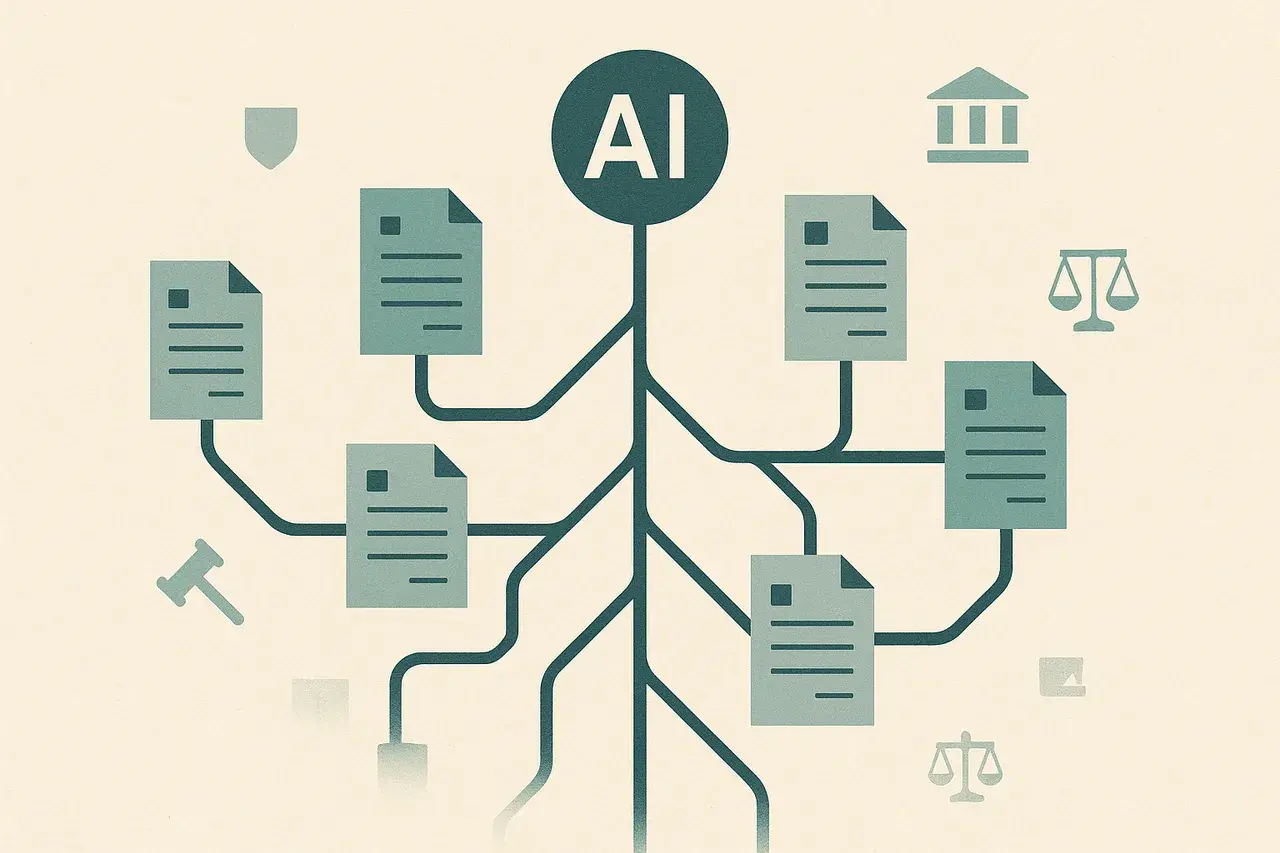
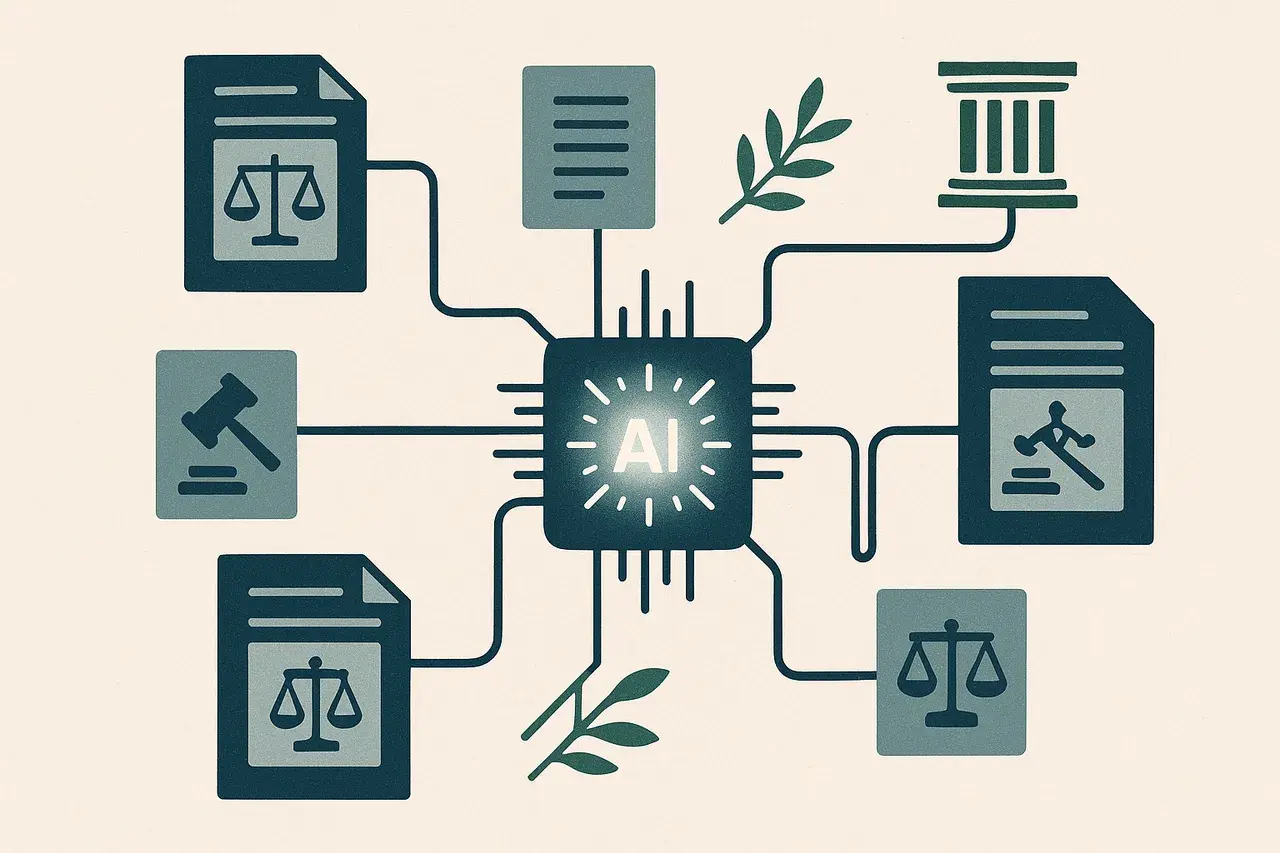
Centrality, in the legal technology sense, means becoming the platform that other tools defer to rather than compete with. A central legal AI tool would sit at the point where a contract is first requested, guide its drafting, manage its negotiation, store its executed form, and surface its obligations during performance. Every other system, from the CRM to the ERP to the external counsel portal, would feed into it or pull from it.
That is, in essence, what a mature AI contract lifecycle management platform does. The difference today is that large AI models with broad capabilities are trying to occupy that position from the outside, arriving through productivity suites and general-purpose assistants rather than through purpose-built legal software. When a general AI assistant can read a contract, summarise its risks, and draft a response letter, the specialist CLM vendor has to justify why a legal team should log into a separate system at all.
The honest answer is that jurisdiction-aware legal reasoning, company-specific drafting voice, and defensible audit trails still require purpose-built infrastructure. General AI tools are impressive. They are not yet accountable in the way that legal work demands.
Where AI Contract Tools Fit Into the CLM Stack
A useful way to think about the current landscape is to separate capability from context. General-purpose AI models have broad capability but shallow legal context. They do not know your preferred indemnity language, your fallback positions on liability caps, or the governing law your counterparties typically resist. A specialist AI contract lifecycle management platform is built to hold that context permanently and apply it consistently.
The practical implication for legal teams is that the CLM platform, not the general AI assistant, should be the system of record for contract knowledge. When an AI legal assistant for contracts is trained on your own signed agreements, your negotiation history, and your jurisdiction's current case law, it produces output that a lawyer can actually rely on rather than output that requires careful fact-checking before it goes anywhere near a counterparty.
Integrations matter here. The best legal workflow automation platforms today do not try to replace every adjacent tool. They connect to them, ingest their data, and remain the authoritative source for what your contracts actually say and require.
An Honest Assessment of AI Adoption for Legal Teams
Adoption of AI legal tools for in-house teams and law firms is accelerating, but it is not uniform. The organisations moving fastest share a common characteristic: they have identified one high-volume, repeatable contract type and deployed AI against it specifically before expanding. NDAs, supplier agreements, and employment contracts are the typical starting points. The teams that struggle are those that approach AI contract drafting software as a general solution before they have defined what problem they are solving.
Scepticism from senior lawyers often centres on accountability. Who is responsible when an AI-assisted contract contains an error? The answer requires a platform that logs every suggestion, records every human decision, and produces an audit trail that holds up under scrutiny. That is a governance question as much as a technology question, and legal teams should be asking it of every vendor they evaluate.
The battle for centrality described in the wider legal tech conversation matters to practitioners because it will determine which vendors invest in those governance features and which treat them as secondary to raw AI capability.
What Legal Teams Should Do Right Now
The strategic noise in legal technology can make it tempting to wait for the market to settle before committing to a platform. That is the wrong instinct. The organisations that build institutional knowledge into a contract lifecycle management system today will have a compounding advantage over those that wait. Every contract reviewed, every negotiation completed, and every clause accepted or rejected is a data point that makes the system more accurate and more aligned with how that organisation actually does business.
Practical steps worth taking now include auditing which contract types consume the most lawyer time, assessing whether your current tools hold structured data about those contracts or simply store PDFs, and evaluating AI legal platform options on the basis of jurisdiction coverage, voice customisation, and integration depth rather than headline AI model size.
The platforms that win the centrality battle will be the ones that legal teams trust enough to run everything through. Trust is built on accuracy, transparency, and accountability. Those are the criteria that should drive every procurement decision in legal AI today.
Frequently asked questions
- What does AI centrality mean in legal technology?
- AI centrality refers to a platform's ability to become the primary hub through which all legal work flows, rather than one tool among many. In contract lifecycle management, a central AI platform would handle drafting, negotiation, execution, and obligation tracking in a single system that other tools connect to rather than replace.
- How does AI help with contract lifecycle management?
- AI assists at every stage of the contract lifecycle: generating first drafts in a company's preferred style, identifying risky clauses during review, suggesting negotiation positions based on past agreements, and flagging upcoming obligations after signature. The most effective AI contract lifecycle management platforms combine these capabilities with jurisdiction-aware legal reasoning and a full audit trail.
- Should legal teams use a general AI assistant or a specialist CLM platform?
- General AI assistants offer broad capability but lack the company-specific context, jurisdiction knowledge, and governance features that legal work requires. A specialist AI contract lifecycle management platform holds your negotiation history, preferred clause language, and regulatory obligations, producing output that is far more reliable for professional use. Most legal teams benefit from connecting both, with the CLM platform as the system of record.
- What are the biggest barriers to AI adoption for in-house legal teams?
- The most common barriers are accountability concerns, lack of structured contract data, and unclear starting points. Legal teams move fastest when they pick one high-volume contract type and apply AI to it specifically before expanding. Platforms that provide clear audit trails and explainable suggestions tend to overcome lawyer scepticism more effectively than those that prioritise raw AI speed.
- Which AI contract tools are best for legal teams in 2025?
- The best AI contract tools for legal teams are those that combine drafting assistance, clause-level risk analysis, and post-signature obligation tracking within a single platform that integrates with existing business systems. Evaluation criteria should include jurisdiction coverage, the ability to learn your company's drafting voice, and robust data governance rather than the size of the underlying AI model alone.
See how Adira drafts in your voice and reads contracts from your side.
Explore the showroomWorking through a contract like this? Weave is Adira’s free tool to read, mark up, and connect any contract in your browser — no account needed.
Try Weave — free