vendor risk
When AI Infrastructure Wobbles, Who Bears the Contract Risk?

The Fragility Beneath the Hype
The Claude outage earlier this year, widely referred to in legal technology circles as the Claude Crash, did something that years of cautious analyst commentary had not quite managed: it made the fragility of foundation-model dependency viscerally real. Billions were wiped from market valuations, and legal teams that had quietly embedded third-party AI into their workflows suddenly faced questions they had not prepared answers for.
This is not primarily a technology story. It is a contract story. The question of which party absorbs the loss when an AI provider goes dark, degrades in quality, or pivots its pricing model is a legal question, and most enterprise agreements signed in the last two years answer it poorly, if at all.
What Standard Vendor Agreements Actually Say
Most AI platform agreements are written to protect the vendor. Uptime commitments, where they exist, are often expressed as monthly averages that permit substantial unannounced degradation. Liability caps tend to be tied to fees paid in the prior quarter, which is cold comfort when your legal team has built entire review and approval workflows around a service that is now unavailable.
Force majeure clauses present a further complication. Providers are increasingly attempting to characterise model instability, training failures, and capacity constraints as events beyond their reasonable control. Whether that characterisation holds up under English law, New York law, or the various Nordic jurisdictions that are now becoming significant legal AI markets is genuinely uncertain, because the case law simply does not exist yet.
In-house teams signing up to AI-assisted CLM or document review platforms should be treating these provisions with the same scrutiny they would apply to any critical infrastructure contract. The stakes are comparable.
Concentration Risk Is the Underlying Problem
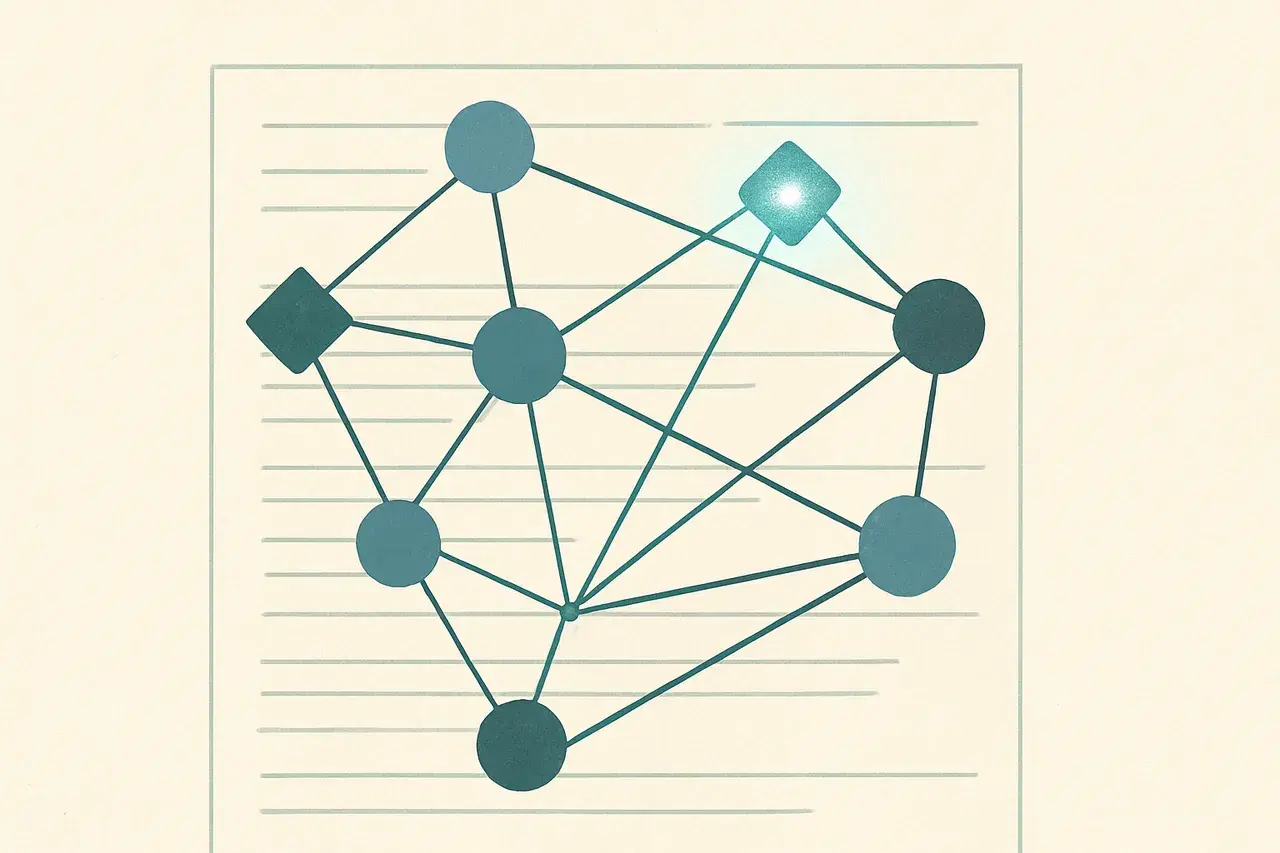
The deeper issue revealed by episodes like the Claude Crash is concentration risk. A significant portion of the legal AI market runs on a small number of foundation models. When one of those models experiences an outage, or when its developer raises prices sharply following a funding round, the impact cascades across dozens of products simultaneously.
Law firms and in-house teams that have adopted multiple AI tools often discover, in these moments, that their apparent diversification was illusory. Three different products, three different interfaces, but all drawing from the same underlying model. The vendor landscape looks varied on the surface and is surprisingly concentrated beneath it.
A genuinely resilient CLM strategy should therefore ask not just which tools a team uses, but which models those tools depend on, and what the contingency is if that model becomes unavailable or unaffordable. Adira's approach of building jurisdiction-aware contract intelligence on a stable, auditable foundation reflects precisely this thinking: reliability in legal workflows is not a feature, it is a precondition.
The Nordic Signal Worth Watching
The Legal Innovators Nordics conversation is worth paying attention to for reasons beyond regional interest. The Nordic jurisdictions, particularly those operating under close regulatory scrutiny from data protection authorities, have tended to demand clearer answers from AI vendors than markets elsewhere. Questions about data residency, model traceability, and contractual accountability are asked more directly and answered more carefully in that environment.
What emerges from those markets often becomes a template for broader enterprise procurement standards. If Nordic legal teams are pushing AI vendors toward stronger service level commitments and more transparent model dependency disclosures, the rest of the market tends to follow within a cycle or two. In-house teams anywhere would do well to monitor what procurement standards are being negotiated in Stockholm and Helsinki today.
What In-House Teams Should Do Now
The practical response is not to retreat from legal AI. The productivity gains are real, and the competitive disadvantage of abstaining is growing. The response is to contract more carefully.
Several provisions deserve specific attention. First, ensure that any AI CLM or review platform contract includes clear definitions of what constitutes acceptable service levels, with meaningful financial consequences for breach. Second, seek audit rights that allow your team to understand which underlying models power the service you are paying for. Third, build termination rights that are triggered not only by outage but by material changes to the underlying technology stack, pricing methodology, or data handling practices.
Finally, treat your AI vendor relationships as you would any other critical supplier relationship: with regular review, documented contingency planning, and board-level awareness of the dependency. The Claude Crash reminded the market that legal AI infrastructure is not yet utility-grade. Until it is, the contracts governing it should reflect that reality.
See how Adira drafts in your voice and reads contracts from your side.
Explore the showroomWorking through a contract like this? Weave is Adira’s free tool to read, mark up, and connect any contract in your browser — no account needed.
Try Weave — free