brand legal disputes
Trade Dress Disputes in Franchise and Retail Branding: Lessons from the Buc-ee's vs Mickey's Logo Lawsuit
Why the Buc-ee's and Mickey's Dispute Matters Beyond Ohio
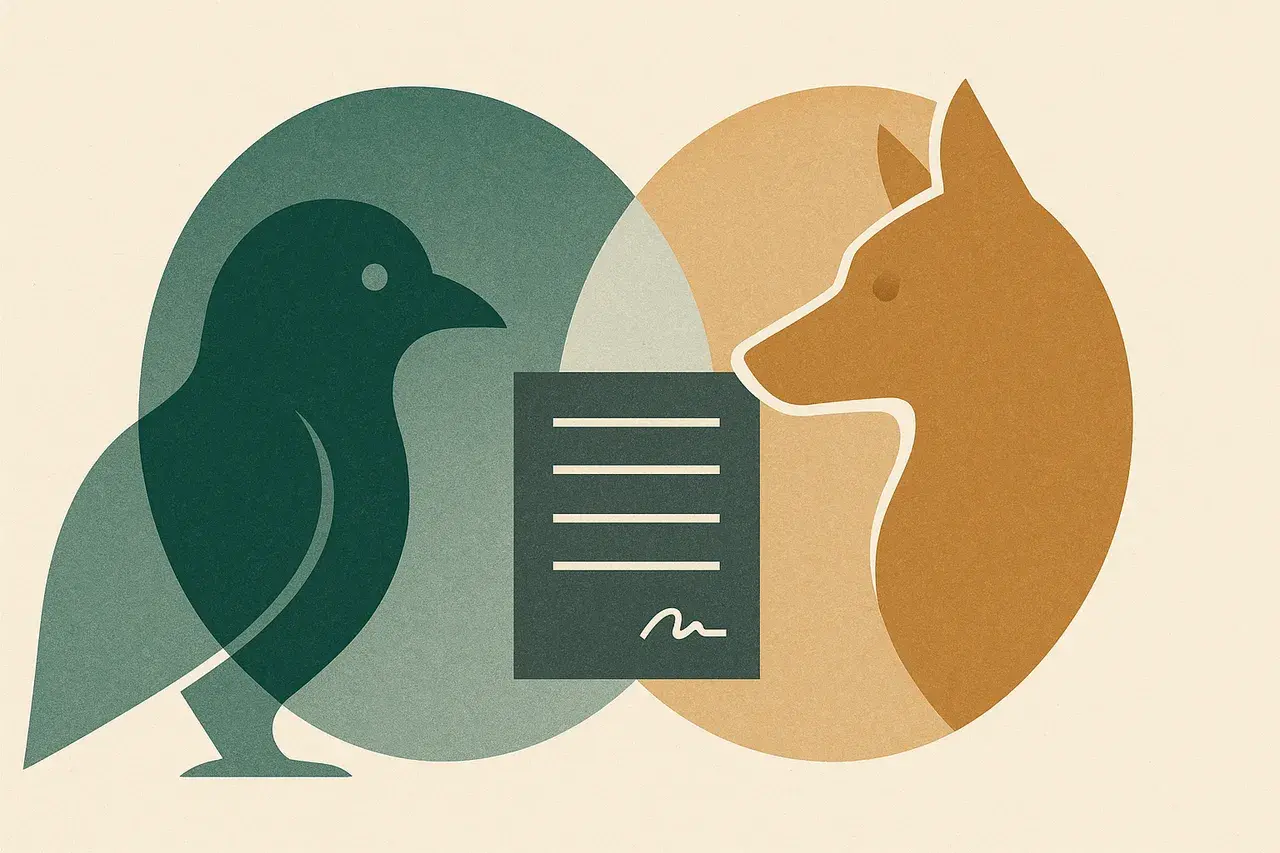
When Buc-ee's, the Texas-headquartered travel-centre chain famous for its beaver mascot, filed suit against Mickey's, an Ohio convenience and fuel retailer, the core allegation was straightforward: Mickey's logo was said to be confusingly similar to Buc-ee's own distinctive branding. The parties have since settled, terms undisclosed. For most observers, the story ends there. For anyone responsible for drafting or reviewing commercial contracts, it is only just beginning.
This kind of dispute, centred on trade dress infringement and logo similarity, is among the most preventable categories of brand litigation. The legal exposure almost always traces back to three contracting failures: inadequate IP representation and warranty clauses, absent or weak indemnification provisions, and no pre-launch clearance obligation written into the agreement. Understanding each failure is the first step to closing the gap.
What Trade Dress Actually Protects, and Why It Is Harder to Define Than a Trademark
A registered trademark covers a specific word, phrase, or symbol. Trade dress is broader and, in some ways, more unpredictable. It protects the overall commercial image of a product or business, including colour schemes, logo style, mascot design, and the general look and feel of a brand as a whole. Courts assess whether the combination of elements is distinctive and whether consumers are likely to be confused.
Because trade dress protection is fact-intensive and context-dependent, two logos can look superficially different yet still give rise to a viable infringement claim if the overall commercial impression is similar. That subjectivity is precisely what makes trade dress disputes expensive to litigate and difficult to resolve without settlement. A small regional operator expanding into a territory where a nationally recognised brand already trades faces real legal risk if its branding has not been properly cleared.
The Clause That Failed: IP Representations and Warranties in Licensing and Franchise Agreements
In many franchise, licence, and co-branding agreements, the IP representation and warranty clause is drafted in general terms. A typical version states that a party represents it holds all necessary rights to the intellectual property it contributes. What that formulation omits is equally important: it rarely requires the party to confirm that its branding does not infringe the trade dress, registered marks, or unregistered rights of any third party operating in the same sector or geographic market.
A tighter clause would have read something like this: each party warrants that, to the best of its knowledge after reasonable enquiry, its brand identifiers, including logos, mascots, colour combinations, and signage, do not infringe the registered or unregistered intellectual property rights of any third party in any jurisdiction where the brand is used or intended to be used. That single addition shifts the burden of pre-launch clearance squarely onto the contracting party, and creates a clear contractual remedy if the warranty proves false.
The Missing Indemnification Provision and How to Reconstruct It
A robust IP indemnification clause would have required the infringing party to defend, indemnify, and hold harmless the counterparty from any third-party claim arising from its branding choices. In practice, many commercial agreements contain indemnification provisions that are either mutual and therefore diluted, or limited to claims arising from wilful misconduct, which sets the bar far too high for trade dress disputes that are often argued on strict liability principles.
An effective indemnification provision for brand-facing contracts should: specify that it covers trade dress, unregistered marks, and get-up as well as registered trademarks; require the indemnifying party to bear legal costs from the moment a claim is notified, not only if liability is ultimately established; and include a step-in right allowing the indemnified party to take control of its own defence if the indemnifying party fails to act promptly. These are not exotic protections. They are standard in well-negotiated IP-intensive agreements.
Pre-Launch Clearance Obligations: Writing the Obligation Into the Contract
Perhaps the most practical lesson from the Buc-ee's and Mickey's settlement is the value of a pre-launch clearance obligation. This is a contractual duty, often placed on the franchisee, licensee, or junior party in a co-branding arrangement, to obtain and provide evidence of a professional trademark and trade dress clearance search before any new logo, signage, or brand element is adopted or publicly displayed.
The clause should specify the search scope: at minimum, the relevant national trademark registers, common law use databases, and a review of competing brands in the same vertical and geographic market. It should also impose a waiting period following receipt of the search results, during which the other party has the right to raise objections. Franchisors and brand-owners sometimes resist this because it adds time to an expansion process. The alternative, as this dispute illustrates, is litigation.
How AI Contract Review Reduces Trade Dress Exposure at Scale
For businesses managing large portfolios of franchise agreements, licence arrangements, or retail partnerships, reviewing each contract for adequate trade dress protection manually is slow and inconsistent. AI-powered contract lifecycle management platforms can be trained to flag the absence of IP clearance obligations, identify indemnification clauses that exclude unregistered rights, and benchmark warranty language against a preferred standard.
Adira reads contracts from a company's own side, identifies the specific clauses that create brand-legal exposure, and surfaces gaps in real time during negotiation. In a trade dress context, that means spotting the moment a counterparty's draft omits a clearance warranty, before the agreement is signed and before a dispute crystallises. Prevention at the drafting stage is always cheaper than settlement after the fact. The Buc-ee's and Mickey's matter, whatever its precise terms, will have cost both parties significantly more than a well-drafted contract ever would.
Frequently asked questions
- What is trade dress and how is it different from a trademark?
- A trademark protects a specific word, logo, or symbol registered with a national authority. Trade dress protects the broader commercial image of a brand, including colour combinations, mascot design, and overall visual identity, even without formal registration. Trade dress claims are assessed by asking whether consumers are likely to confuse two brands based on their overall look and feel.
- How do you protect your brand logo from trade dress infringement claims?
- The most reliable protection is a professional clearance search covering trademark registers and common law use before adopting any logo or brand element. Contractually, any franchise or licence agreement should include a warranty that the branding does not infringe third-party rights, backed by an indemnification clause that covers unregistered as well as registered IP. Building a pre-launch clearance obligation into the contract places the duty squarely on the party introducing the branding.
- What clause in a franchise agreement protects against logo disputes?
- Three clauses work together: an IP representation and warranty requiring each party to confirm its branding does not infringe third-party trade dress or marks; an indemnification provision covering legal costs from the moment a claim is notified; and a pre-launch clearance obligation requiring evidence of a professional search before any new brand element is adopted. All three should address unregistered rights as well as registered trademarks.
- Why do trade dress lawsuits usually end in settlement?
- Trade dress infringement is a fact-intensive enquiry assessed by overall consumer impression, making outcomes at trial difficult to predict. Litigation costs accumulate quickly in discovery and expert testimony. Settlement allows both parties to avoid an unpredictable verdict, control reputational exposure, and move on commercially, often with confidential terms that protect both brands.
- Can AI contract review help avoid brand logo disputes?
- Yes. AI contract review tools can be trained to identify missing IP clearance obligations, flag indemnification clauses that exclude unregistered rights, and benchmark warranty language against a preferred standard across large contract portfolios. Catching these gaps at the drafting or negotiation stage is significantly less costly than resolving a trade dress dispute after the contract is executed.
See how Adira drafts in your voice and reads contracts from your side.
Explore the showroomWorking through a contract like this? Weave is Adira’s free tool to read, mark up, and connect any contract in your browser — no account needed.
Try Weave — freeRelated reading

Trade Dress Disputes in Franchise and Retail: Drafting Lessons from the Buc-ee's v Mickey's Logo Lawsuit
20 September 2026
Trademark Infringement in Footwear: What the New Balance vs Decathlon Lawsuit Teaches Contract and IP Teams
19 September 2026

Trademark Infringement Lessons from the Buc-ee's $850K Win: Which Clauses Fail and How to Draft Better
16 September 2026