contract law
Landmark SCOTUS Cases and Contract Law: What Supreme Court Decisions Mean for Commercial Agreements
Why Landmark SCOTUS Cases Matter Beyond the Headlines
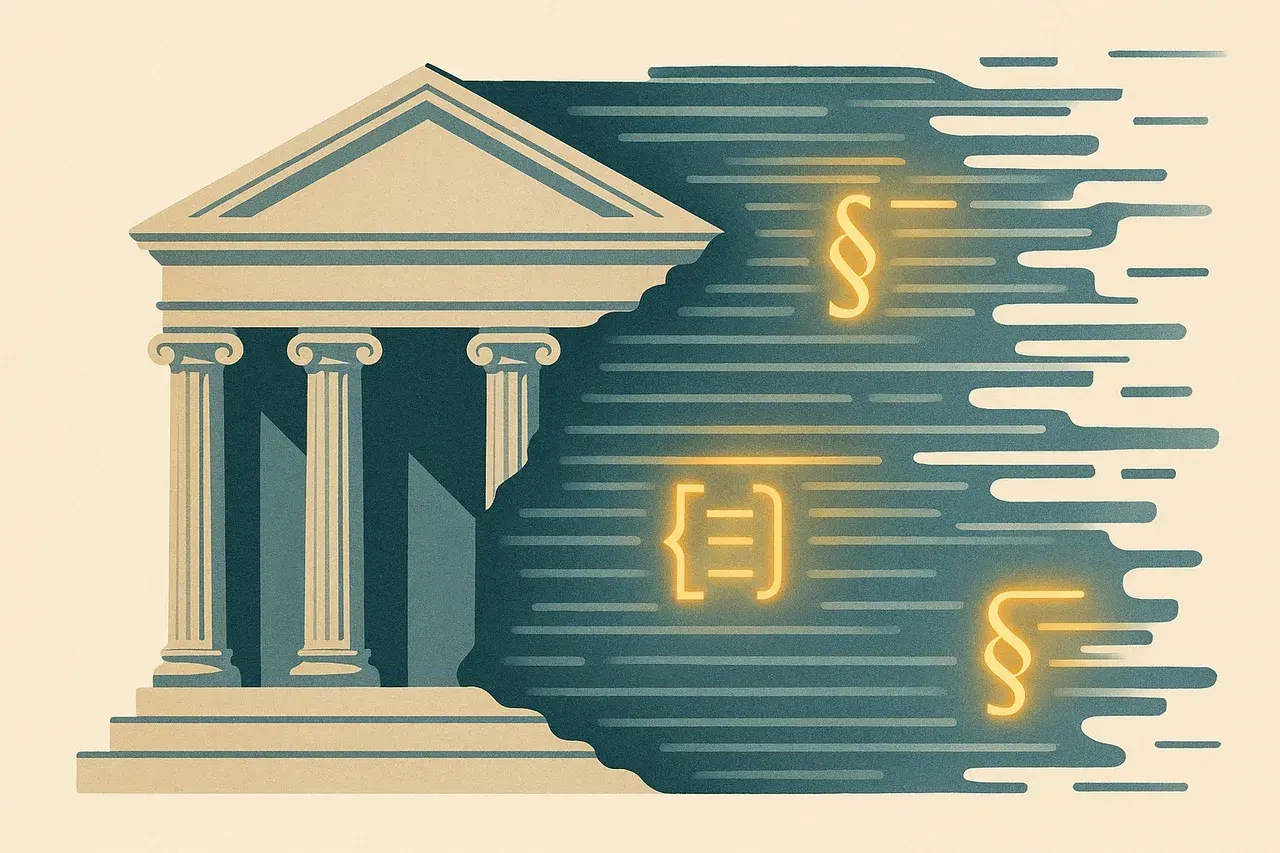
The ACLU's new digital museum experience, designed to mark the close of the Supreme Court term, puts landmark SCOTUS cases back into public conversation at exactly the right moment. For civil liberties advocates, the focus is constitutional rights. For commercial lawyers and the businesses they advise, the more pressing question is subtler: how do Supreme Court decisions ripple into the contracts that govern trade, employment and technology every single day?
The answer is that they do so constantly, and often without much warning. A ruling on constitutional due process changes what courts will accept as fair notice in consumer contracts. A decision on federal pre-emption determines whether a state-law clause in a supply agreement is worth the paper it is printed on. Treating SCOTUS as a spectacle rather than a practical signal is a risk no contracting party can afford.
The Arbitration Clause: The Clause SCOTUS Has Reshaped More Than Any Other
No area of commercial contract law has been more directly sculpted by Supreme Court decisions than arbitration. Over the past two decades, a series of rulings interpreting the Federal Arbitration Act has steadily expanded the enforceability of arbitration clauses, including class-action waivers, to the point where a single boilerplate paragraph can effectively eliminate a counterparty's access to jury trial.
Businesses that copy arbitration language from old templates without checking the current SCOTUS landscape are taking a genuine legal risk. Equally, companies on the receiving end of arbitration clauses need to understand what rights they are signing away, because recent terms have shown the Court is willing to narrow exceptions rather than widen them. Knowing where the law currently sits is not optional; it is foundational due diligence.
Non-Compete Agreements, Federal Agency Power and the Contracts Caught in Between
The 2024 to 2025 Supreme Court term produced decisions that cut back on the deference courts give to federal agency interpretations of law. This shift, following from the Court's curtailment of the Chevron doctrine, has immediate practical consequences for non-compete agreements, data-handling obligations and sector-specific contract clauses that were drafted on the assumption that a particular agency's reading of a statute would hold.
If a contract clause was written to comply with an agency rule that a court might now read more narrowly, that clause could either under-comply with the underlying statute or over-restrict a party without legal justification. Legal teams reviewing employment agreements, licensing contracts and regulated-industry supply terms need to audit whether the regulatory interpretation those documents relied upon is still the one courts will apply.
Constitutional Rights Clauses and the Growing Trend of Rights-Protective Drafting
One quiet consequence of high-profile constitutional litigation is that sophisticated contracting parties increasingly want explicit rights-protective language in their agreements. Privacy clauses now sometimes reference constitutional standards. AI procurement contracts may include provisions about due process in automated decision-making. Supplier codes of conduct reference free expression and anti-discrimination norms that track constitutional values even in purely private commercial relationships.
This is not purely idealistic. When a counterparty or regulator scrutinises a contract, language that aligns with well-established constitutional principles tends to withstand challenge more robustly. The ACLU's emphasis on landmark cases is a reminder that constitutional standards set a floor that well-drafted commercial contracts would do well to acknowledge, rather than ignore.
How AI Contract Review Keeps Pace with Shifting Supreme Court Doctrine
The practical difficulty for most legal and commercial teams is speed. A Supreme Court decision lands in June; contracts under that legal framework need reviewing before they are signed in July. Manual review at that pace is not realistic for organisations with high contract volumes.
This is precisely where AI contract lifecycle management earns its place. A platform that reads contracts from the perspective of the governing jurisdiction, tracks clause-level risk against current case law, and drafts in the organisation's own voice can flag a now-vulnerable arbitration clause or an agency-reliant regulatory provision before it becomes a dispute. The goal is not to replace legal judgment but to make sure that judgment is applied to every contract, not just the ones someone remembers to check. Keeping pace with landmark SCOTUS cases is not a once-a-year exercise; it is a continuous compliance obligation built into how contracts are created and managed.
Practical Steps for Businesses Monitoring Supreme Court Decisions
The starting point is identifying which contract clauses in your standard templates depend on federal statutory interpretation or agency rulemaking. Arbitration provisions, class-action waivers, non-compete clauses in jurisdictions with federal overlay, and data-processing obligations linked to sector regulators are the most exposed categories.
Next, establish a review trigger: when a Supreme Court decision touches any of those areas, the relevant template clause should be reviewed within thirty days. Finally, document the legal basis for each significant clause at the time of drafting. If the doctrine shifts, you will know immediately which contracts need attention and which are insulated. Treating landmark SCOTUS cases as a contracting event, not just a news event, is what separates reactive legal teams from resilient ones.
Frequently asked questions
- How do Supreme Court decisions affect commercial contracts?
- Supreme Court rulings interpret federal statutes and constitutional principles that underpin contract law, affecting the enforceability of clauses such as arbitration agreements, class-action waivers and non-compete provisions. When the Court shifts doctrine, contracts drafted under the old interpretation may no longer say what the parties intended them to say legally.
- Which SCOTUS cases are most important for businesses reviewing their contracts?
- Decisions interpreting the Federal Arbitration Act have the widest commercial reach, governing whether arbitration clauses and class-action waivers are enforceable. The Court's recent curtailment of Chevron deference is also critical for any contract clause that relied on a federal agency's regulatory interpretation rather than the statute itself.
- Does a Supreme Court ruling mean I need to update my contracts immediately?
- Not always immediately, but you should review affected clause types within a short window, typically thirty days, to assess whether the ruling changes how a court would interpret or enforce your language. Contracts already signed are generally governed by the law at the time of signing, but future agreements should reflect the current legal position.
- Can AI contract review tools track changes in Supreme Court case law?
- AI contract lifecycle management platforms can be updated with current legal standards and flag clauses that carry elevated risk under recent decisions. They work best as a first-pass filter that identifies which contracts need a qualified lawyer's attention in light of new case law, rather than as a standalone compliance solution.
- What is the Chevron doctrine and why does its curtailment matter for contracts?
- The Chevron doctrine was a rule requiring courts to defer to federal agencies' reasonable interpretations of ambiguous statutes. The Supreme Court has significantly curtailed this deference, meaning contract clauses drafted to comply with an agency's reading of a law may now need to be tested against the statute's text as courts read it directly, which can produce a different result.
See how Adira drafts in your voice and reads contracts from your side.
Explore the showroomWorking through a contract like this? Weave is Adira’s free tool to read, mark up, and connect any contract in your browser — no account needed.
Try Weave — freeRelated reading
Judicial Independence and Contract Enforceability: What Partisan Pressure on State Supreme Courts Means for Business
12 October 2026
AI Trademark Infringement Lawsuits: Drafting Lessons from the OpenAI 'Astra' Dispute
9 October 2026
What a 'Boring' Supreme Court Term Means for Commercial Contract Law in 2025
9 October 2026