trademark disputes
Trademark Lawsuit Lessons from the Buc-ee's Beaver Dispute: Which Clause Failed and How to Fix It
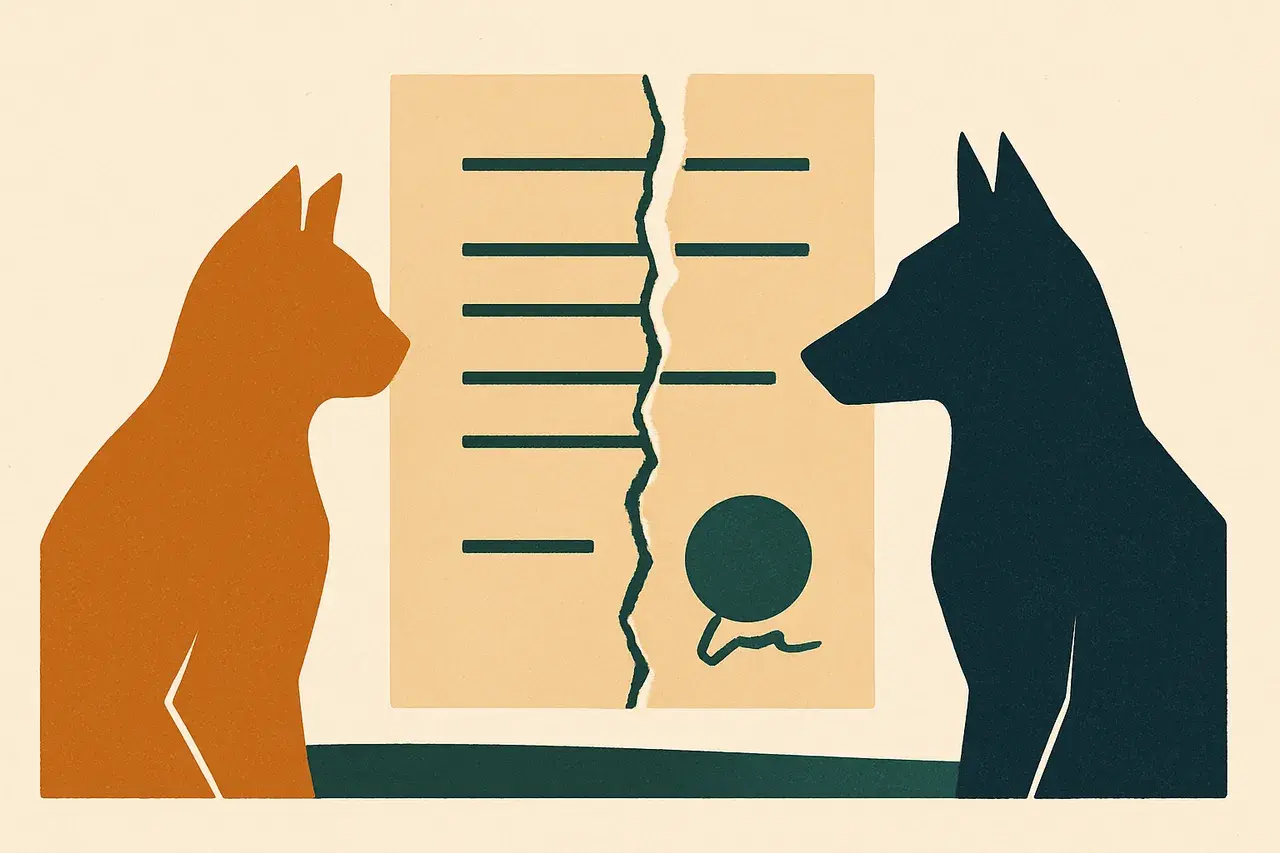
Why the Buc-ee's Beaver Trademark Lawsuit Matters Beyond One Gas Station Brand
Buc-ee's, the Texas-based travel-centre chain famous for its smiling beaver logo, has become the subject of public controversy after pursuing a trademark lawsuit over another business's use of a beaver image. Community reaction online has been swift and critical. But beneath the social-media noise sits a serious question every business owner and in-house counsel should ask: which contractual or IP-protection mechanism failed here, and what should a tighter agreement have said from the start?
Trademark disputes involving mascots and animal imagery are among the most fact-intensive in intellectual property law. The question is rarely whether one party owns a beaver; it is whether the combination of stylistic elements, colour palette, industry sector and consumer perception creates a likelihood of confusion. That assessment is heavily influenced by decisions made years earlier, at the contracting and brand-clearance stage.
The Clause That Most Often Fails: Scope of Rights in Trademark Licences and Coexistence Agreements
When two parties discover that their marks may overlap, they have a choice: litigate or negotiate a coexistence agreement. A coexistence agreement is a contract in which both parties acknowledge each other's rights and define the territory, product categories, and stylistic boundaries within which each may operate without interference.
The clause that most commonly fails in these arrangements is the scope-of-use definition. Parties agree in broad terms that each may use its mark in its respective field, but they neglect to specify what happens when one party expands geographically, changes its logo, or enters an adjacent product category. Without that precision, even a well-intentioned coexistence agreement becomes a source of future litigation rather than a prevention tool.
In the Buc-ee's context, the public dispute raises the question of whether any prior understanding, formal or informal, existed between the parties, and if so, whether it addressed the specific visual elements now in contention. If no coexistence framework was ever documented, both sides were always one expansion decision away from conflict.
What a Tighter Contract Would Have Said
A well-drafted trademark coexistence agreement in a dispute involving mascot imagery should contain at minimum four elements.
First, a precise visual description of each party's mark, including colour codes, stylistic features, and the exact goods or services covered under each relevant trademark registration.
Second, a geographic limitation clause that clearly states where each party may operate and what triggers a renegotiation obligation if either party expands into the other's territory.
Third, a non-challenge covenant, under which each party agrees not to oppose the other's trademark applications within the defined scope, reducing the risk of one party weaponising the registration process.
Fourth, a change-of-control or expansion notice provision. This requires a party to give written notice before launching in a new region or revising its brand identity in a way that could encroach on the agreed boundaries. Without this clause, a brand refresh or a new store opening becomes an inadvertent breach.
Businesses that skip these provisions often discover too late that a handshake understanding has no legal weight when a franchised chain enters their market.
How Brand Clearance Failures Create Downstream Contract Risk
Many small businesses facing trademark infringement claims never obtained a formal clearance opinion before adopting their brand. A trademark clearance search and legal opinion, conducted before a brand launches, assesses the likelihood that a proposed mark will conflict with existing registrations. Where that opinion identifies a risk, the correct response is either to redesign or to seek a formal coexistence agreement proactively.
The cost of a clearance exercise is almost always lower than the cost of defending a cease-and-desist letter or responding to litigation. More importantly, the clearance process forces a business to document its brand-adoption decision, which can be useful evidence of good faith if a dispute arises later.
Contracts with designers, branding agencies and marketing suppliers should also include an IP warranties clause requiring the supplier to confirm that the deliverable does not infringe third-party intellectual property rights, and indemnifying the client if that warranty proves false. Without such a clause, a business that receives an infringing logo from an agency is left holding the legal and financial exposure alone.
The Indemnity Gap: Who Bears the Cost When a Brand Is Challenged
One of the most overlooked risks in brand disputes is the contractual indemnity gap. When a licensor or brand agency provides a logo or mascot design and a third party later claims infringement, the question of who pays the legal costs depends entirely on what the underlying services contract says.
A robust IP indemnity clause should specify that the indemnifying party will cover the costs of defence, any settlement amounts, and any court-ordered damages arising from a valid third-party claim that the deliverable infringes existing IP rights. The clause should also require the indemnified party to give prompt written notice of any claim, cooperate in the defence, and refrain from making admissions without consent. Each of these conditions is negotiable, but omitting any of them creates gaps that insurers and opposing counsel will exploit.
How to Avoid the Same Exposure: A Practical Checklist
For any business that uses a mascot, character, or stylised animal as a core brand element, the following steps substantially reduce trademark litigation risk.
Conduct a comprehensive trademark clearance search across relevant jurisdictions before finalising the design. Register the mark as early as possible, both as a word mark and as a figurative mark covering the logo. Draft or obtain a formal coexistence agreement with any party whose mark is similar, even if the overlap seems minor at launch. Include an IP warranty and indemnity clause in every contract with a branding or design supplier. Review your trademark portfolio whenever you plan geographic expansion or a brand refresh, as new markets may bring new conflicts.
The Buc-ee's dispute is a visible reminder that trademark enforcement is not only about who files first. It is about who drafted more carefully, planned further ahead, and documented their rights at every stage of business growth.
Frequently asked questions
- What is a trademark coexistence agreement and when do you need one?
- A trademark coexistence agreement is a contract between two parties who own similar marks, setting out the boundaries within which each may use its brand without interfering with the other. You need one whenever a clearance search reveals a similar mark in an adjacent field, even if the overlap seems small today. Without one, a future expansion by either party can trigger an infringement claim that a documented agreement would have prevented.
- Can a company trademark an animal mascot like a beaver?
- Yes, a company can register a stylised animal mascot as a trademark, provided the specific design is distinctive and not merely descriptive of the goods or services. The registration protects the particular visual expression of the animal, not the animal itself. A third party can still use a beaver image if their version is sufficiently different and unlikely to cause consumer confusion.
- What should a small business do when it receives a trademark cease-and-desist letter?
- A small business should not ignore a cease-and-desist letter or respond without legal advice. The first step is to assess the strength of the claimant's mark and the degree of similarity with your own brand. From there, options include negotiating a coexistence agreement, redesigning the brand to eliminate the overlap, or contesting the claim if the legal basis is weak.
- What IP clause should be in a contract with a branding or design agency?
- Every contract with a branding or design agency should include an IP warranty, in which the agency confirms the deliverables do not infringe third-party rights, and an indemnity clause under which the agency covers your defence costs if that warranty turns out to be false. The clause should also specify notice requirements and cooperation obligations so the indemnity remains enforceable when you actually need it.
- How does geographic expansion affect existing trademark rights?
- Expanding into a new territory can bring your mark into conflict with a similar mark that is already registered or in use there, even if the two brands have coexisted peacefully in different regions for years. A well-drafted coexistence agreement or licence should include a notice and renegotiation clause triggered by geographic expansion, so both parties can address any new overlap before it becomes a dispute.
Sources
See how Adira drafts in your voice and reads contracts from your side.
Explore the showroomWorking through a contract like this? Weave is Adira’s free tool to read, mark up, and connect any contract in your browser — no account needed.
Try Weave — free