brand legal disputes
Trademark Infringement and Logo Disputes: What the Buc-ee's Beaver Case Teaches Every Brand About IP Clause Drafting
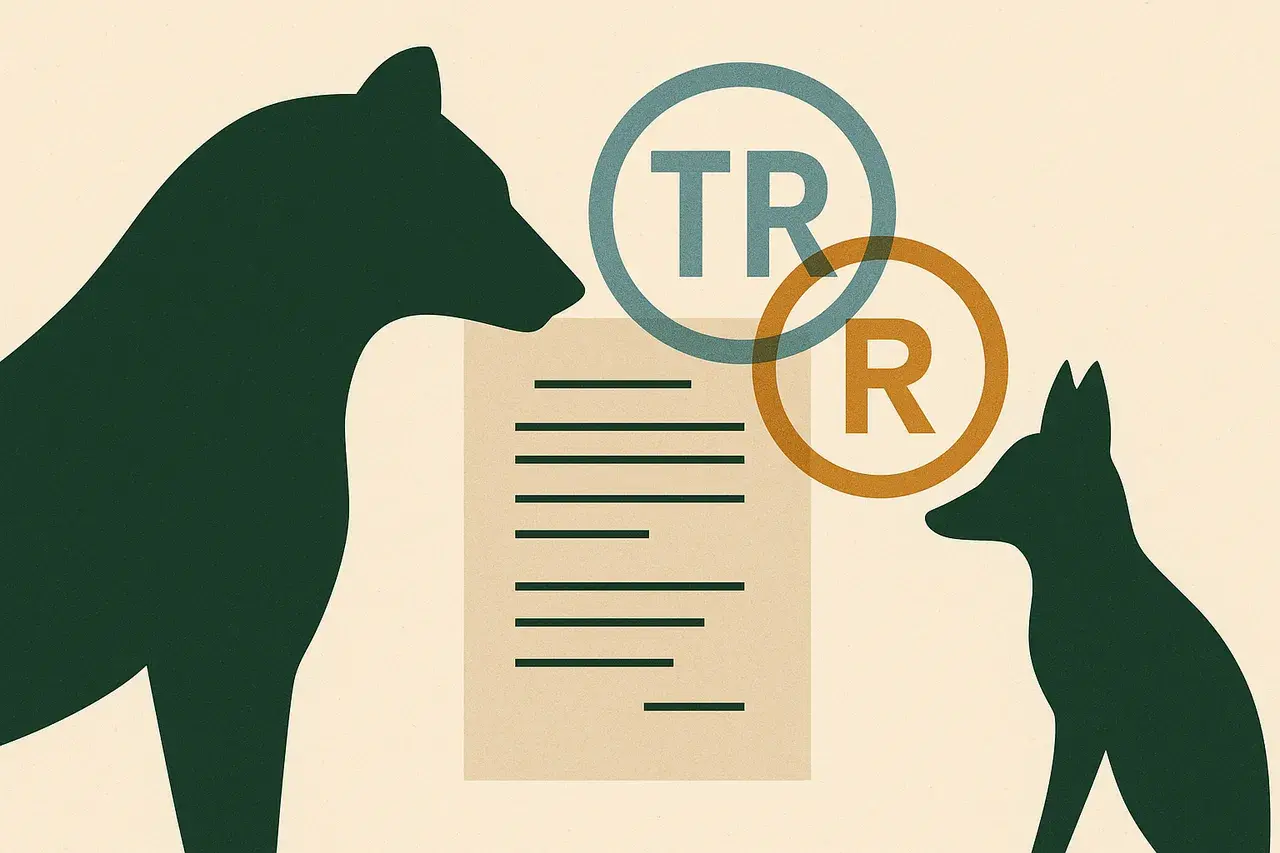
The Dispute in Brief: When a Beaver Becomes a Legal Battleground
Buc-ee's, the Texas-based travel centre chain famous for its cartoon beaver mascot, has launched legal action against a small Ohio convenience store over what it alleges is a confusingly similar beaver logo. The case has drawn public criticism, with many observers questioning whether a regional mini mart with no obvious commercial connection to a multi-state highway giant could genuinely mislead consumers. Whatever the eventual court outcome, the dispute is a useful case study in how trademark rights are asserted, why enforcement decisions carry reputational risk, and, most practically, which contractual and registration tools could have helped both sides avoid this position entirely.
The core legal question is the classic one in trademark law: likelihood of confusion. Regulators and courts ask whether an ordinary consumer, encountering both marks in the marketplace, might believe the goods or services come from the same source. The answer depends on factors including the visual similarity of the marks, the overlap of goods and services, the channels of trade, and the strength of the senior mark. Buc-ee's has invested substantially in building brand recognition around its beaver imagery, which gives it a strong basis for enforcement. The Ohio store's position rests on the argument that the two businesses operate in sufficiently different markets and geographies that no real confusion is likely.
Which Clause Failed: The Absence of a Coexistence Agreement
The most glaring contractual gap in disputes of this kind is the absence of a trademark coexistence agreement. A coexistence agreement is a negotiated, written arrangement under which two parties acknowledge each other's rights in similar marks and agree on the geographic, commercial, or sectoral boundaries within which each may operate. Had such an instrument existed here, it might have defined Buc-ee's territory as major highway retail corridors in specific states, leaving local convenience retail in smaller Ohio towns explicitly outside its enforcement scope.
Coexistence agreements are underused precisely because businesses register trademarks without anticipating who else is already in the market. A registration secures rights, but it does not automatically reveal every potential conflict. The due diligence obligation, often overlooked, is to commission a clearance search before filing, then reach out proactively to any owner of a similar mark in adjacent sectors. The cost of a short negotiated coexistence letter is a fraction of litigation, and it creates certainty for both parties.
What a Tighter Contract Would Have Said
For the larger brand, a well-drafted trademark licensing and enforcement policy would include several provisions that are frequently missing from standard IP schedules.
First, a geographic scope definition: the agreement should specify the precise territories in which the mark is actively used and enforced, rather than relying on a blanket nationwide claim. This prevents enforcement overreach and focuses resources where consumer confusion is actually plausible.
Second, a de minimis competitor carve-out: major brands can include internal enforcement guidelines that distinguish between commercial rivals operating at scale and micro-businesses with no realistic capacity to divert custom. This is a governance document rather than a contract clause, but it informs whether a cease-and-desist is legally sound and commercially sensible.
Third, an IP indemnification clause in any franchise or licensing arrangement downstream: if Buc-ee's had franchisees or licensees operating near the disputed Ohio location, their agreements should confirm that the parent company controls all enforcement decisions and bears the cost of any litigation, removing ambiguity about who is responsible for policing the mark.
For the small business, the lesson is equally pointed. Conducting a trademark clearance search before commissioning a logo is not optional; it is the minimum standard of care. A search that returns a registered mark featuring a similar animal mascot in an overlapping retail category should trigger either a redesign or, if the owner believes coexistence is reasonable, a proactive approach to the senior rights holder before launch.
Trade Dress and the Broader Brand Identity Risk
Beyond the logo itself, Buc-ee's will likely argue trade dress protection: the distinctive combination of visual elements, colour palettes, and store presentation that together signal a single commercial origin to consumers. Trade dress claims are notoriously fact-intensive and expensive to litigate, but they expand the potential liability surface for any business whose branding even loosely echoes an established competitor's overall look and feel.
Contracts between brand owners and their design agencies should include a representation and warranty clause requiring the agency to confirm that proposed logos and brand elements do not infringe registered marks or known trade dress in the relevant territory. Without this clause, the brand owner absorbs all downstream IP risk from a design choice made by a third party.
Enforcement Strategy and Reputational Proportionality
The public outcry over this dispute reflects a wider tension in trademark law: the obligation to enforce rights in order to maintain them sits uncomfortably against the optics of a large corporation pursuing a small local business. Courts do not formally weigh public relations considerations, but brand owners should. An aggressive cease-and-desist letter sent without any prior dialogue is a high-risk opening move when the other party is a sympathetic small operator and the alleged harm is speculative.
A proportionate enforcement ladder would begin with a private letter noting the concern, offer a compliance period, propose a call to discuss coexistence options, and escalate to formal legal action only if dialogue fails. This approach is not soft on IP rights; it is strategically disciplined. It preserves the enforcement record that trademark law requires, limits litigation cost, and avoids the reputational damage of being cast as a bully.
How Adira Helps Brands Draft Tighter IP Protections
Adira's contract intelligence layer reads IP clauses from the perspective of the contracting party, flags gaps in geographic scope definitions, missing clearance warranties from design agencies, and absent coexistence frameworks. For brand owners building a trademark portfolio, Adira can generate jurisdiction-specific enforcement policy templates and coexistence agreement structures that reflect the actual market territory in which a mark is used. For smaller businesses reviewing a cease-and-desist or negotiating a first coexistence arrangement, Adira surfaces the specific clause language that courts have found persuasive in likelihood-of-confusion defences. Both sides of a logo dispute benefit from knowing, before signing anything, exactly what rights they hold and what exposure they carry.
Frequently asked questions
- Can a large company sue a small business over a similar logo even if they are in different markets?
- Yes, a large company can bring a trademark infringement claim even against a small business if it believes there is a likelihood of consumer confusion. However, courts consider geographic and commercial overlap carefully, and a small business operating in a genuinely separate market or territory has a stronger defence. The outcome depends heavily on how similar the marks are and how closely the businesses compete.
- What is a trademark coexistence agreement and when should I use one?
- A trademark coexistence agreement is a written contract in which two parties with similar marks agree on the boundaries within which each may use their brand, such as specific geographies, product categories, or sales channels. It is most useful when a clearance search reveals a conflict before a business launches, or when a rights holder makes contact but litigation seems disproportionate. It gives both parties certainty and avoids the cost and reputational damage of court proceedings.
- How does the likelihood of confusion test work in trademark disputes?
- Likelihood of confusion is the central question in most trademark infringement cases. Courts assess factors including the visual and conceptual similarity of the marks, the similarity of the goods or services, the channels through which they are sold, the sophistication of consumers, and the strength of the senior mark. No single factor is decisive, and the test is applied from the perspective of an ordinary, reasonably attentive consumer in the relevant market.
- What should a business do before designing a new logo to avoid trademark disputes?
- Before finalising any logo, a business should commission a professional trademark clearance search covering registered marks and known trade dress in every territory where it plans to operate. The design agency should also be asked to provide a contractual warranty that the proposed design does not infringe third-party IP rights. Acting on these steps at the design stage costs far less than responding to a cease-and-desist letter or defending litigation after launch.
- Does a company have to enforce its trademark or it loses the rights?
- Yes, trademark owners have a legal obligation to take reasonable steps to police their marks, because failure to do so can result in the mark becoming generic or unenforceable through a doctrine known as abandonment or acquiescence. However, enforcement does not have to mean immediate litigation. A structured approach of written notice, dialogue, and negotiated coexistence satisfies the enforcement requirement while managing cost and reputational risk.
See how Adira drafts in your voice and reads contracts from your side.
Explore the showroomWorking through a contract like this? Weave is Adira’s free tool to read, mark up, and connect any contract in your browser — no account needed.
Try Weave — free